09.08.2025
There’s a tune that came from Italy with the bite of a spider, they believed, and spread all over Europe in the Middle Ages. A tarantella, it’s called, after tarantula. Anyone bitten by the spider would go into state of uncontrolled movement, frenzied convulsions and the only remedy, was to call for musicians to come as quickly as possible with their instruments and provide a beat and melody to pace the afflicted, calm them; bring succour. The main instruments of this custom, were a frame-drum with rattles, a type of tambourine, accompanied by various melodic instruments such as flute, panpipes and violin. Anyone could be bitten and once bitten, the symptoms could return at any time. With no medical explanation for this phenomenon, we now understand it as a mass hysteria, a manifestation of the collective impulse to dance together and to be lost in music, released from the bounds and hierarchies of society. The main area affected by the phenomenon covered a large part of Europe that faces onto the Mediterranean, but it travelled in all directions, arriving in Glencolmcille, Co. Donegal in 1832 – with a ship called the Grassen, on it’s return journey from Bergen to Naples. The Grassen, with a crew of Italian sailors was shipwrecked at Doonalt. All the crew survived and they stayed locally to recuperate, taken in by people in the area.
The ceramicists house that looks out on the premonitory, it was there that one of the sailors was taken in by a woman whose name we don’t know but her daughter was called Biddy McNelis, or Biddy Mór McNelis. Both mother and daughter were lilters, brilliant musicians in the area with an expansive repertoire of tunes, an internal archive of countless melodies. It was at this time that the tarantella entered the collective consciousness through osmosis.
Con Chondaí, born 1915 was the grandson of Biddy Mór and he was one hundred years old when he died. He shared many stories over the years, including memories; his own experience; an overlap between two worlds, an early vivid memory of setting eyes on Biddy Mór at her wake in 1919 (Biddy Mór McNelis, the daughter of the women who lilted the Tarantella). Chondaí also knew of a man called John J. McGinley as they were in the same class at school. Con Chondaí would tell you that this man was a brilliant scholar of the Irish language. At that time, the time of Biddy Mór’s wake in the early 20th century, there were very few women playing the fiddle. Accounts vary as to why this was the case. Some believed that you’d be taken by the fairies, others say it was rare enough to come across a fiddle and many families couldn’t afford one. So people lilted for dances, often in two different octaves.
Between 2005-2009 folklorist, academic and fiddle player Rónán Galvin set about creating a map of old roads connecting musical households across the valley of Glencolmcille and out into greater south west Donegal, Traditional music, song and dance was, at one time a part of everyday life throughout County Donegal. Lilters, fiddlers and melodeon players were all part of a dance tradition which was the primary source of entertainment for the majority of people. With the use of the map, we can trace the path of melodies as they circulated over the mountain into Meenacross. It was here that a brilliant lilter by the name of Moya lived, in what must be one of the most isolated parts of Ireland. In this remote, windswept place, she was often visited by musicians who would walk over the mountain to visit her. Musicians like Jimmy Bhidi Mhicí, Frank Cassidy and Johnny Boyle learned the tunes by heart, played them at dances or big nights and passed them on to others. Moya, and we’re not quite sure of her maiden name, is the mother of a fiddle player called John Byrne, known for his great rhythm – a really good dance fiddler. His son was James Byrne.
From the townlands of Glencolmcille and neighbouring Meenaneary, the particular, individual artistic styles of Sinéad Kennedy, Ellie McGinley and Catríona Kennedy came together for a special live recording experiment called turas trasna this day last year. Sinéad, Ellie and Catríona, with close familial ties to each of the musicians, storytellers and artists mentioned here, are masterful custodians who have absorbed hundreds of years of melodies and stories. Learning directly from one of the finest traditional fiddle players in Ireland, James Byrne (1946 – 2008), and dancer and lilter, Kitty ‘Seán’ Cunningham (1919 – 2018), the life and soul of many a party; Sinéad, Catríona and Ellie carry forward the melodies and stories of these wonderful cultural figures in the canon of Irish creativity.
This journey, turas trasna considers retrograde recording equipment as instruments in themselves, and the context and architecture of the surroundings, as part of the texture and atmosphere of the sound. The recording references the historical significance of the school house at the Folk Village Museum, for example; with wonderful acoustics that led to its use for recording and documenting the emanate traveling musician and tinsmith, John Doherty - a highly regarded proponent of Donegal fiddle throughout the 20th century. The school house is part of a reimagined clachan, vernacular architecture with objects of social and historical significance donated by locals. turas trasna focuses specifically on the regional style and repertoire of south west Donegal, and on the history of recording and archiving the tradition from this area.
The title, turas trasna refers to themes of transcendence and journeying and is influenced and informed by ‘The Otherworld: Music and Song from Irish Tradition’, a collection of music, folklore, and photographs extracted from the National Folklore Collection by the editors Ríonach Uí Ógáin and Tom Sherlock. A poem called, The Barter by Moya Cannon for Rónán Galvin also deeply inspires and informs turas trasna (extract below).
By recording the music on retrograde equipment, a speculative fictions forms, reimagining and reconsidering decisive historical moments in the music tradition of the valley. By collaboratively re-creating moments of socio-historical relevance, such as the arrival of the gramophone into Glencolmcille in the 1930s, and visiting folklore collectors throughout the 60s and 70s, turas trasna considers what it means to etch a living art form onto a permanent archive. This performance was recorded by Sinéad Kennedy using reel to reel equipment. The recording of the three fiddle players includes tunes and songs as well as the atmospheric laughter and applause of audience appreciation and the rhythmic sound of dancers.

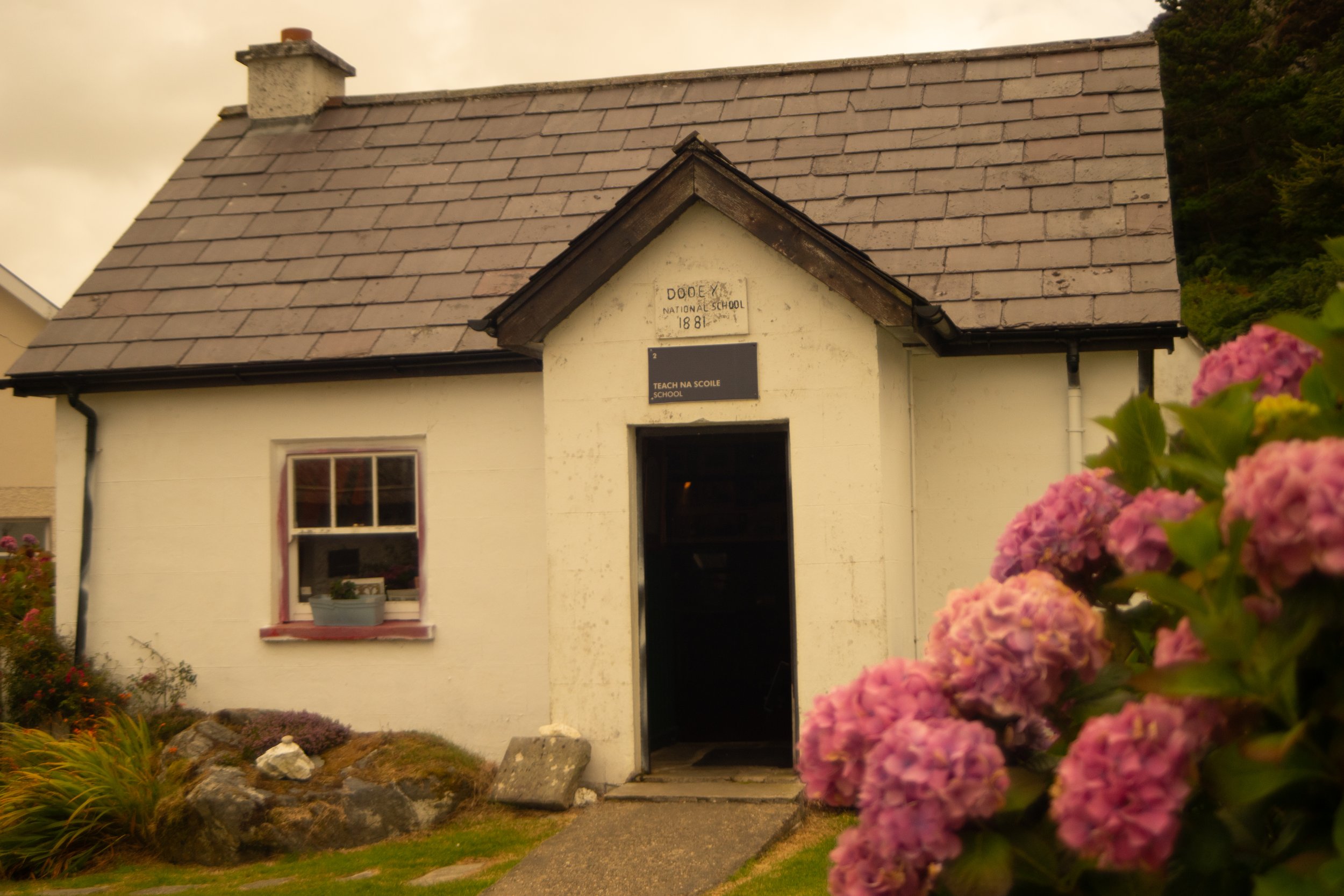
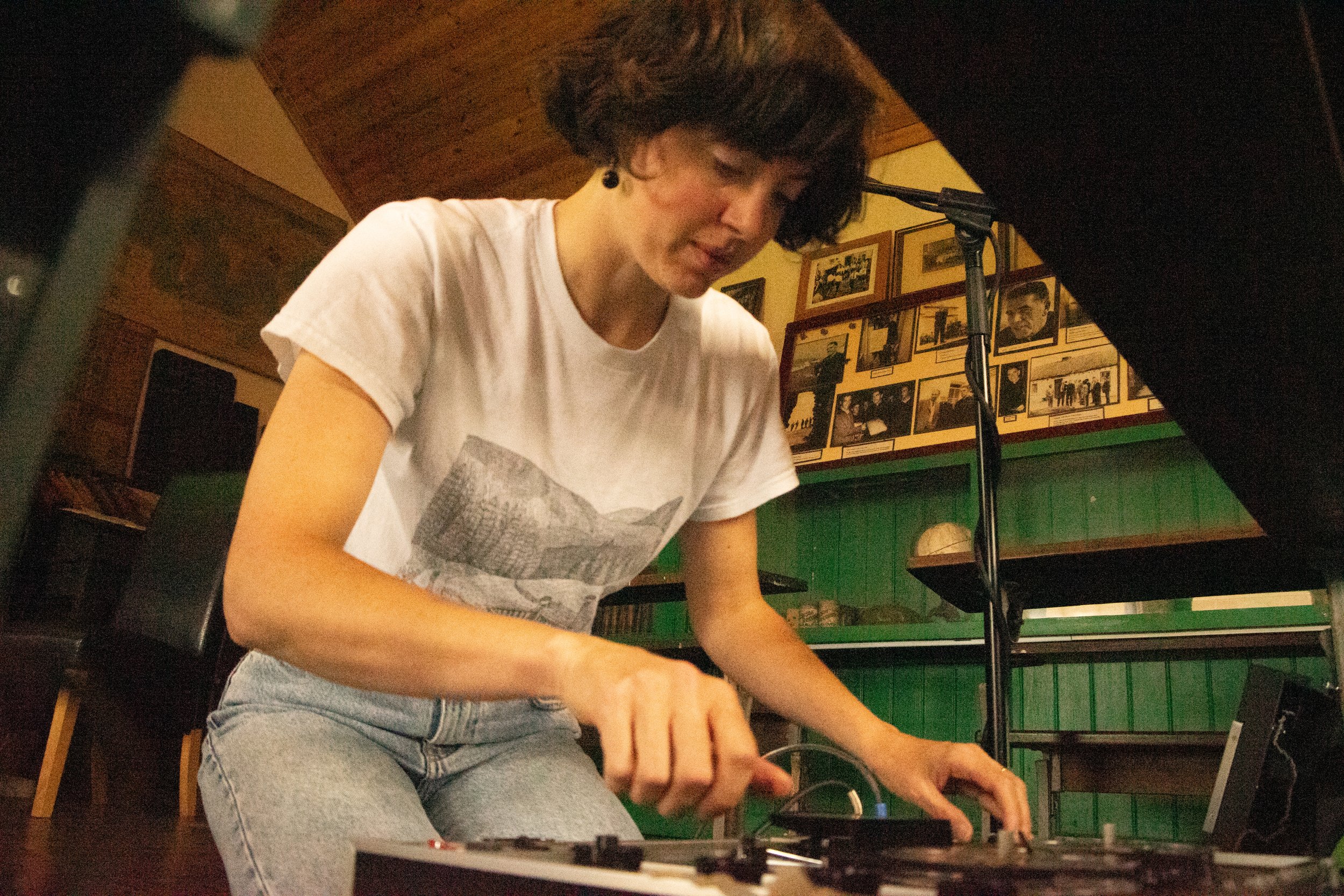
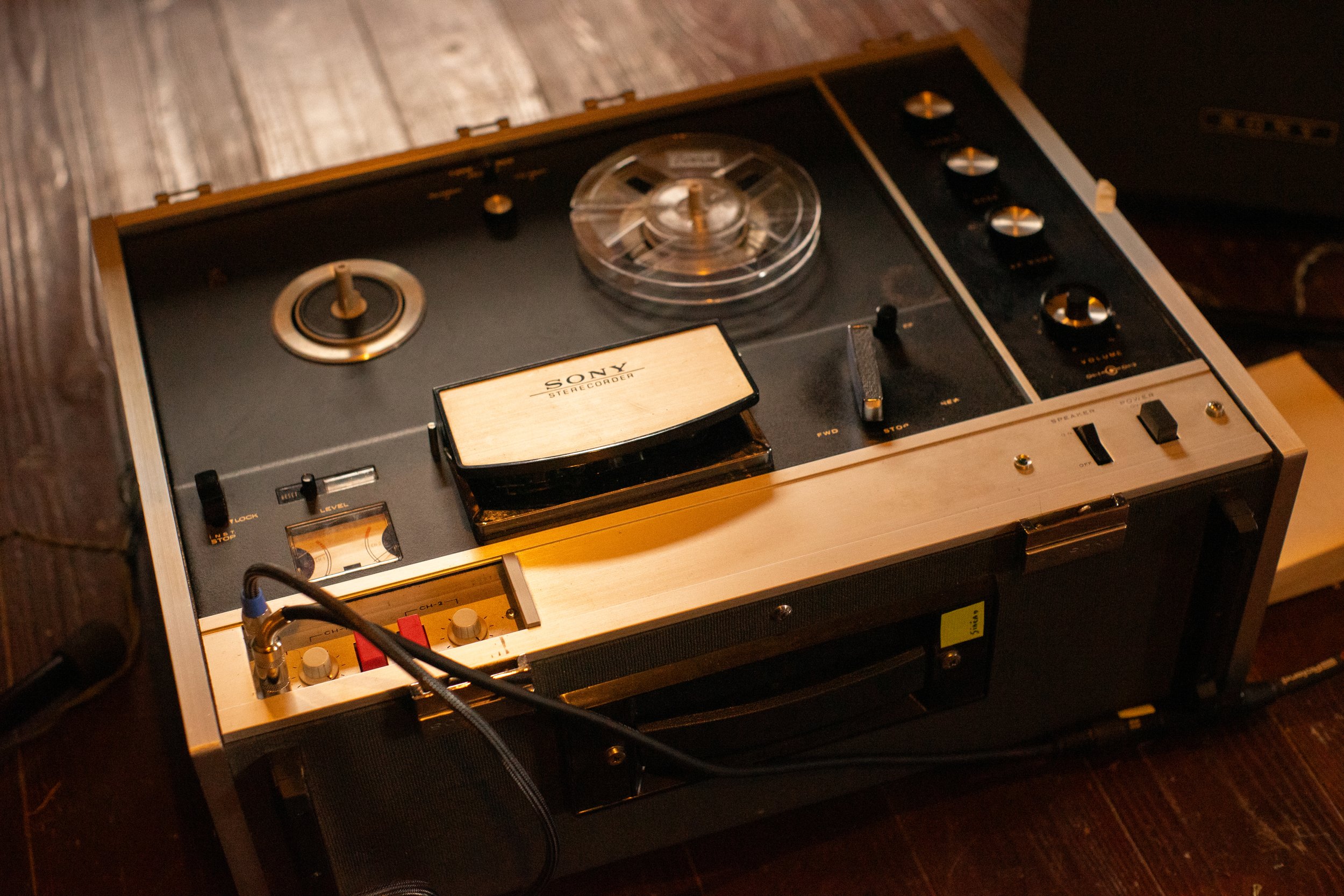
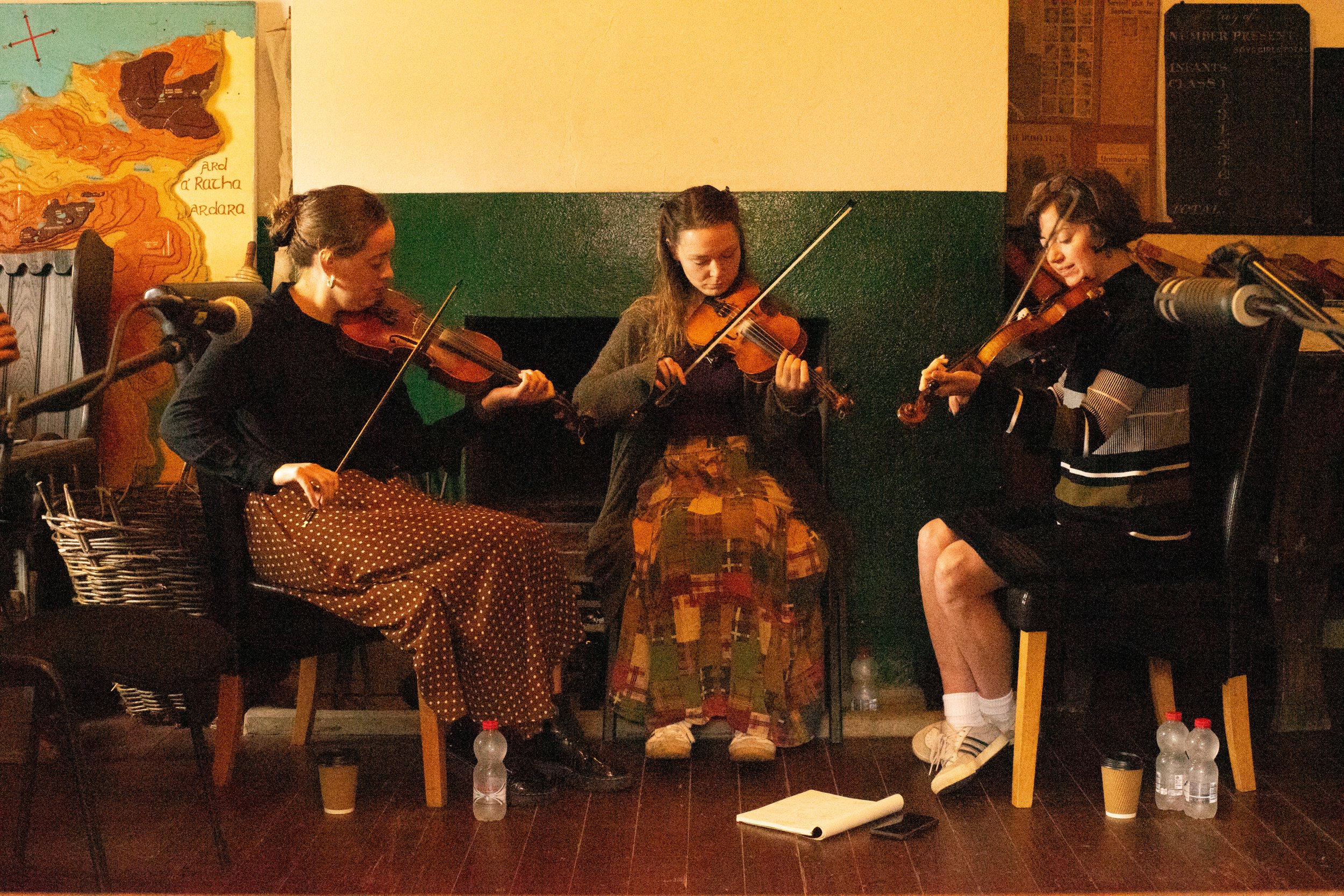
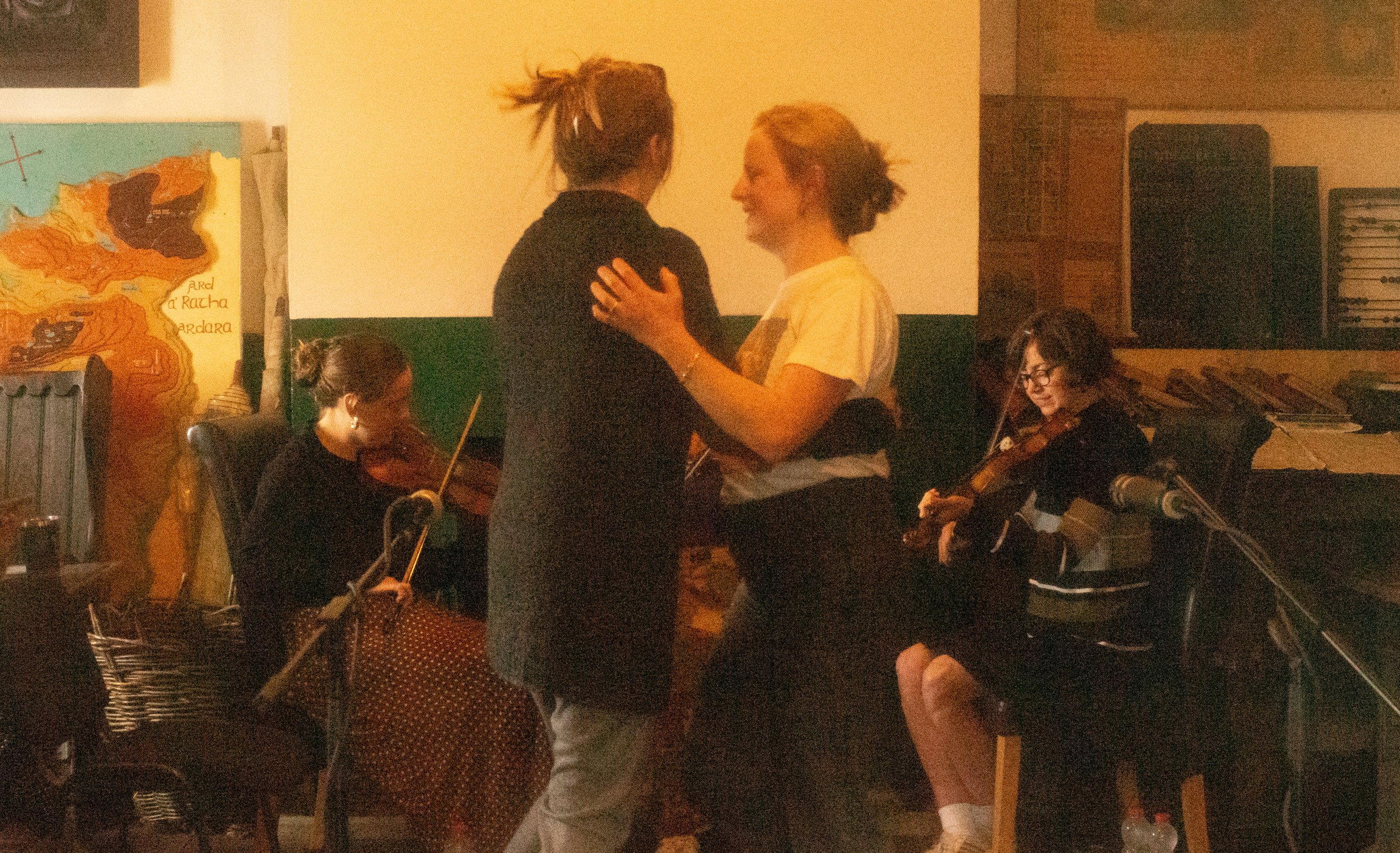
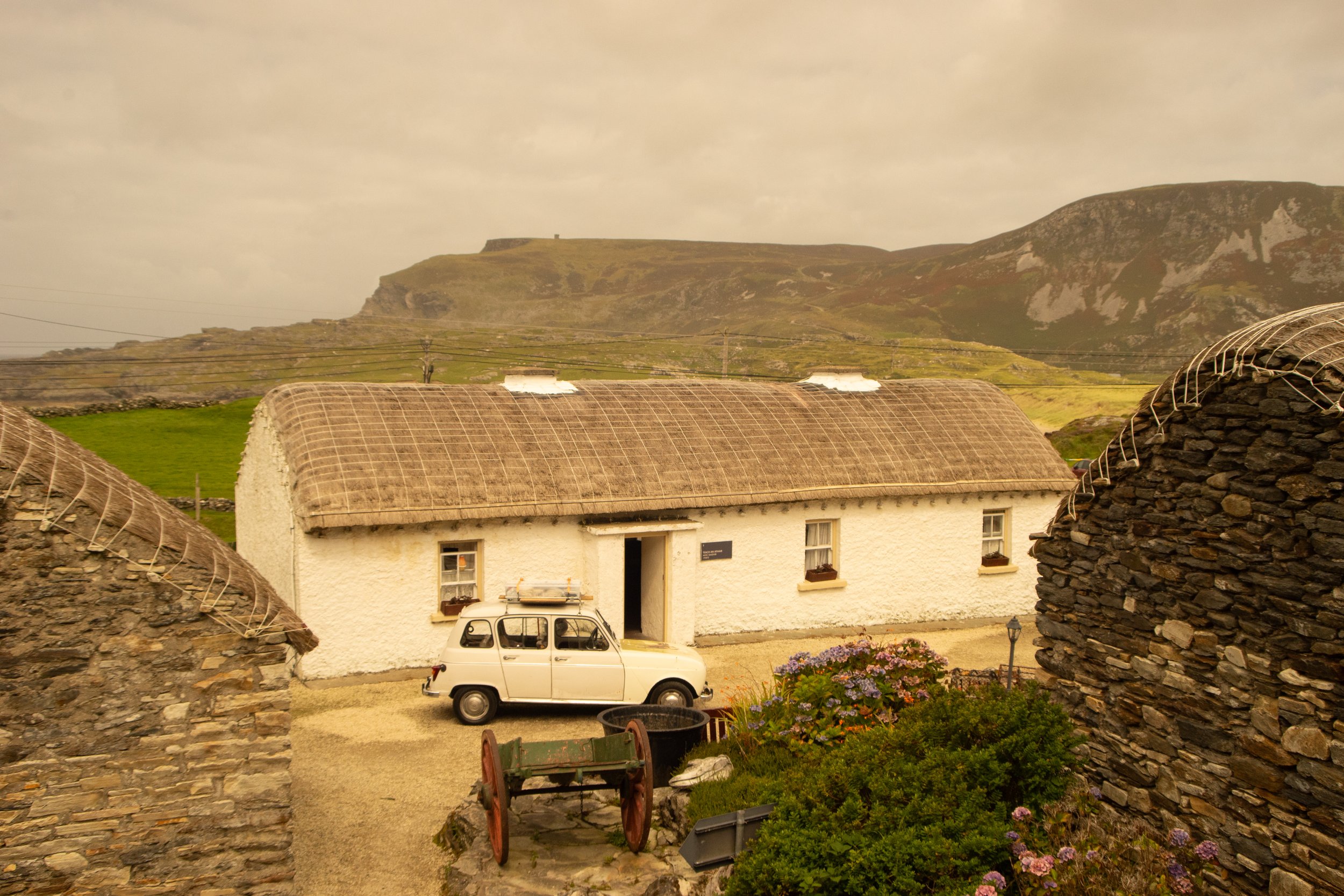
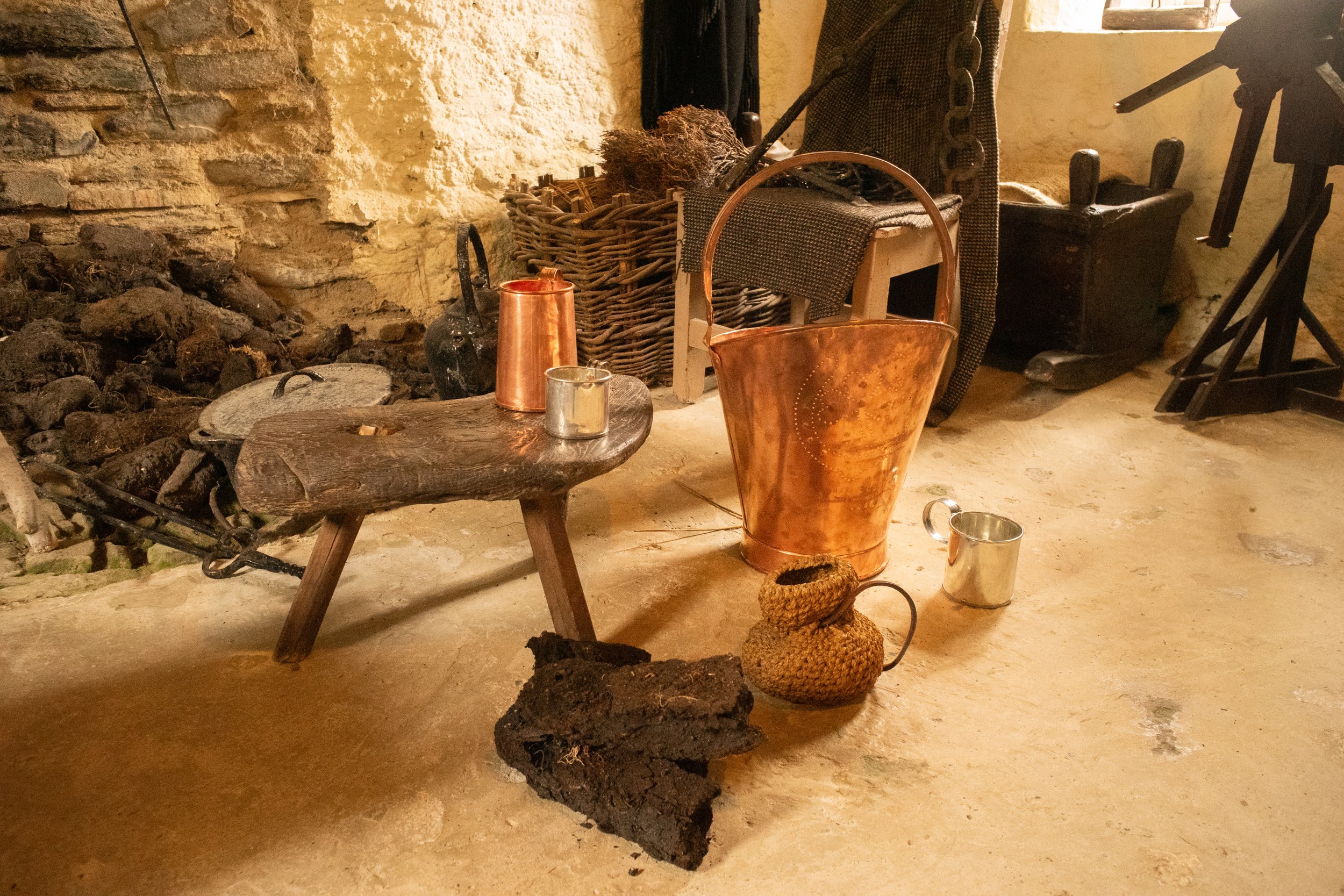
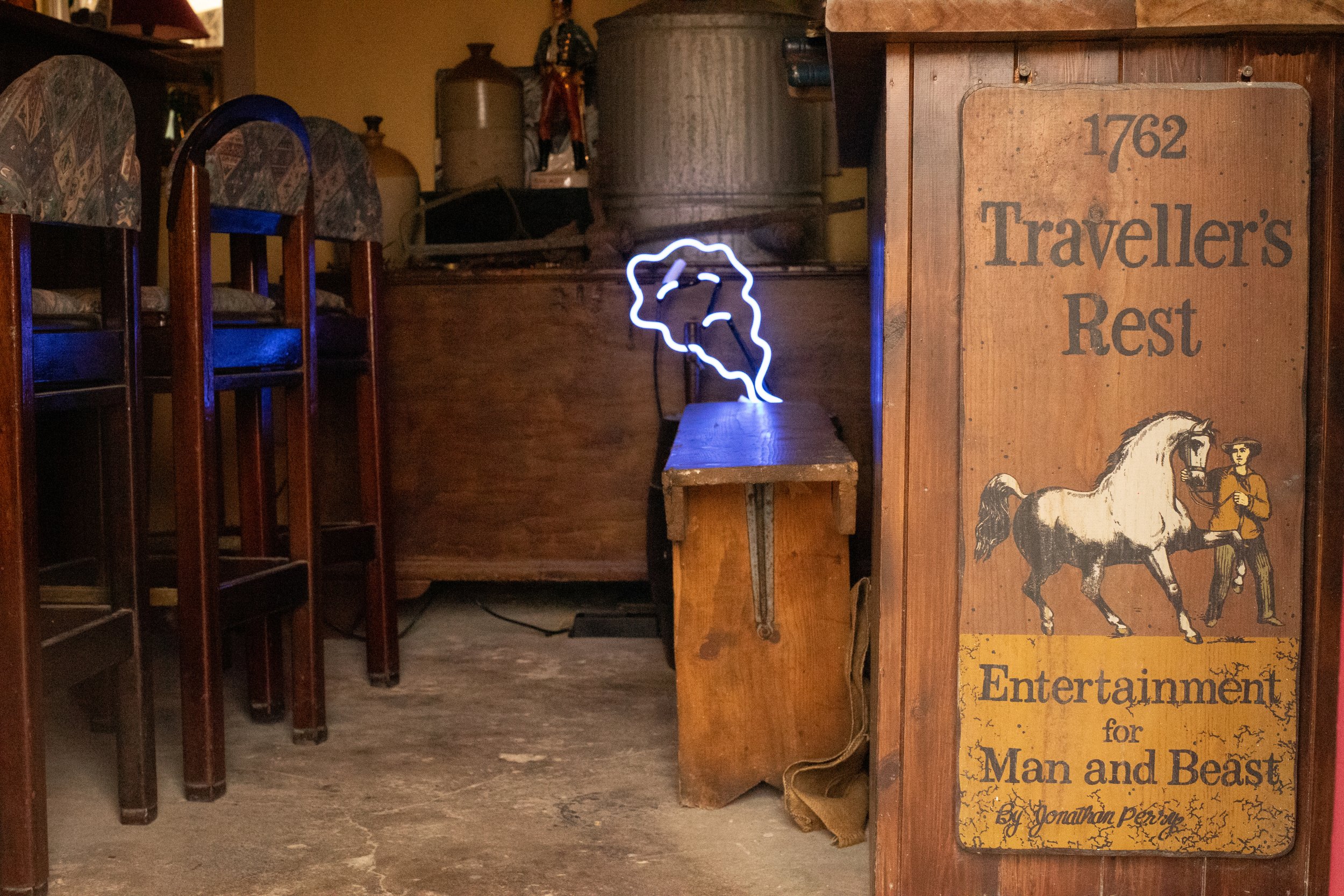
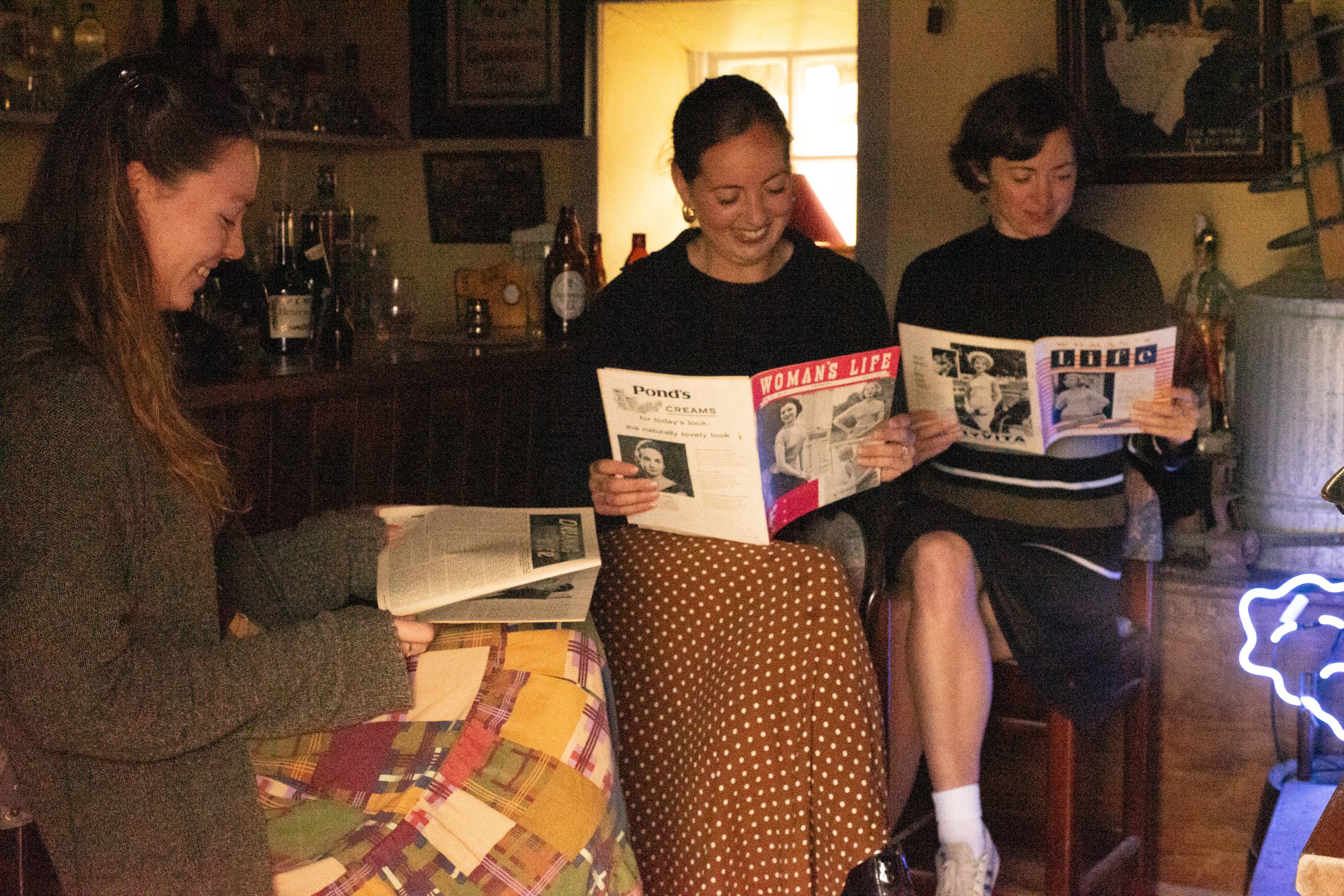
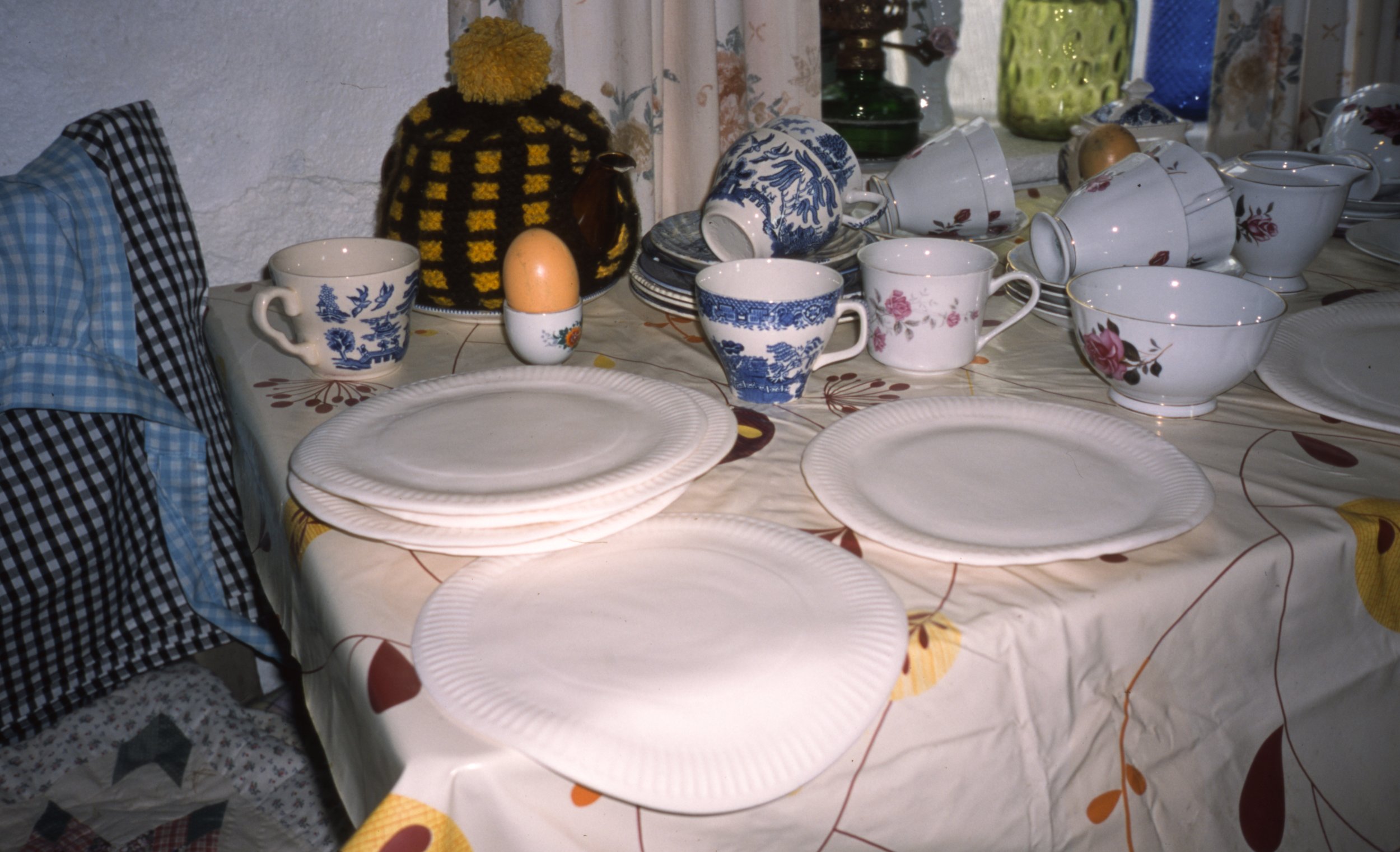
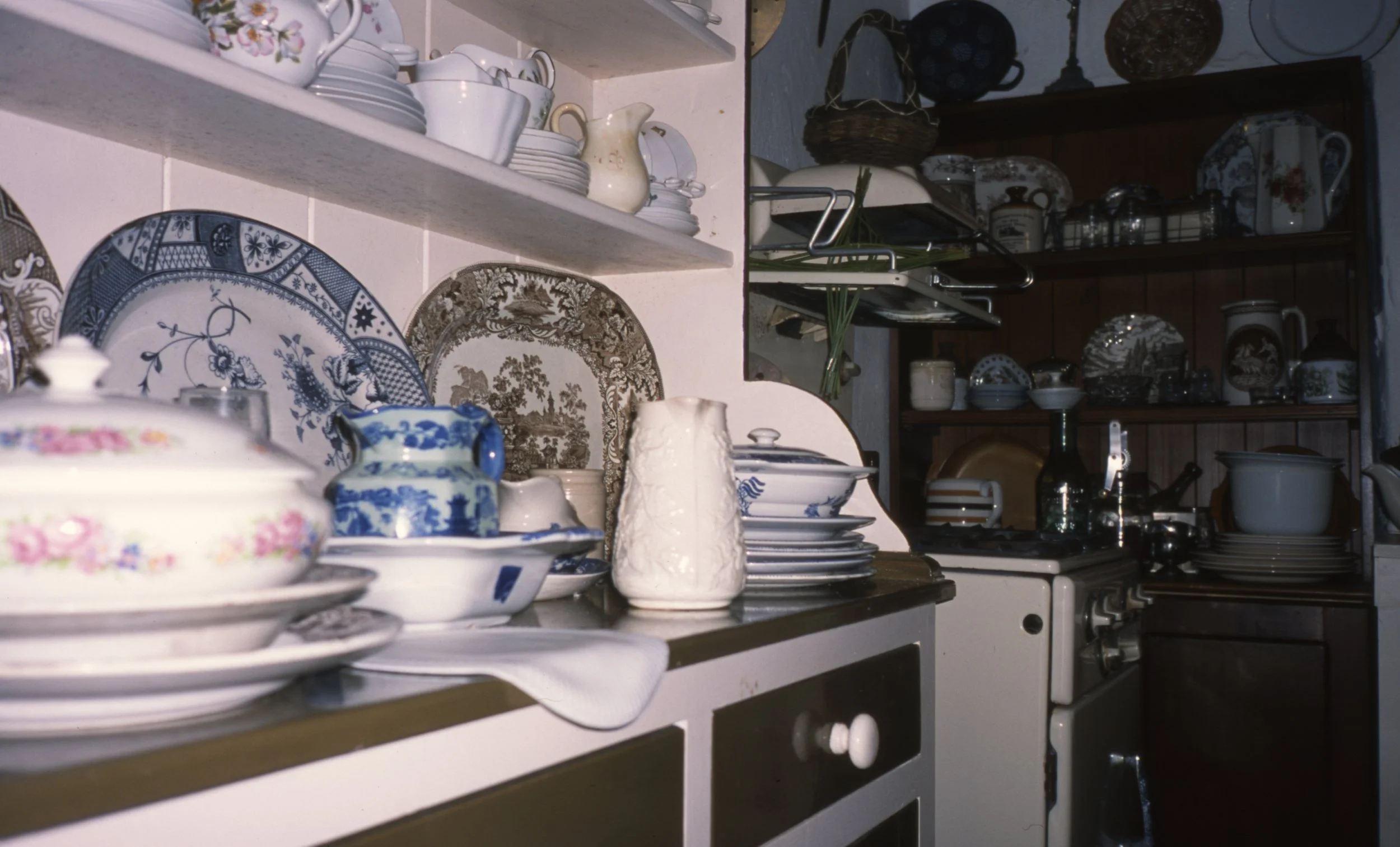
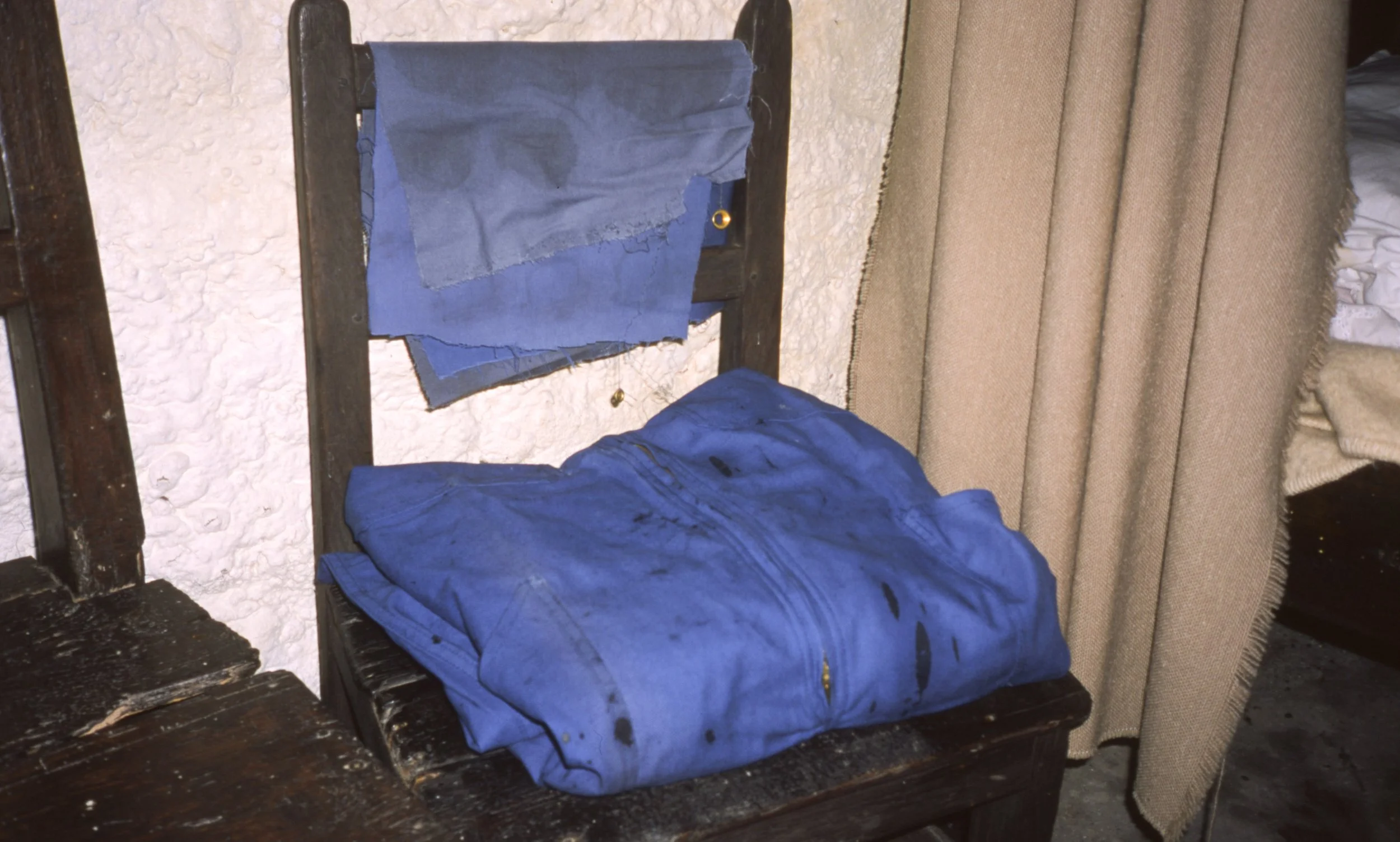
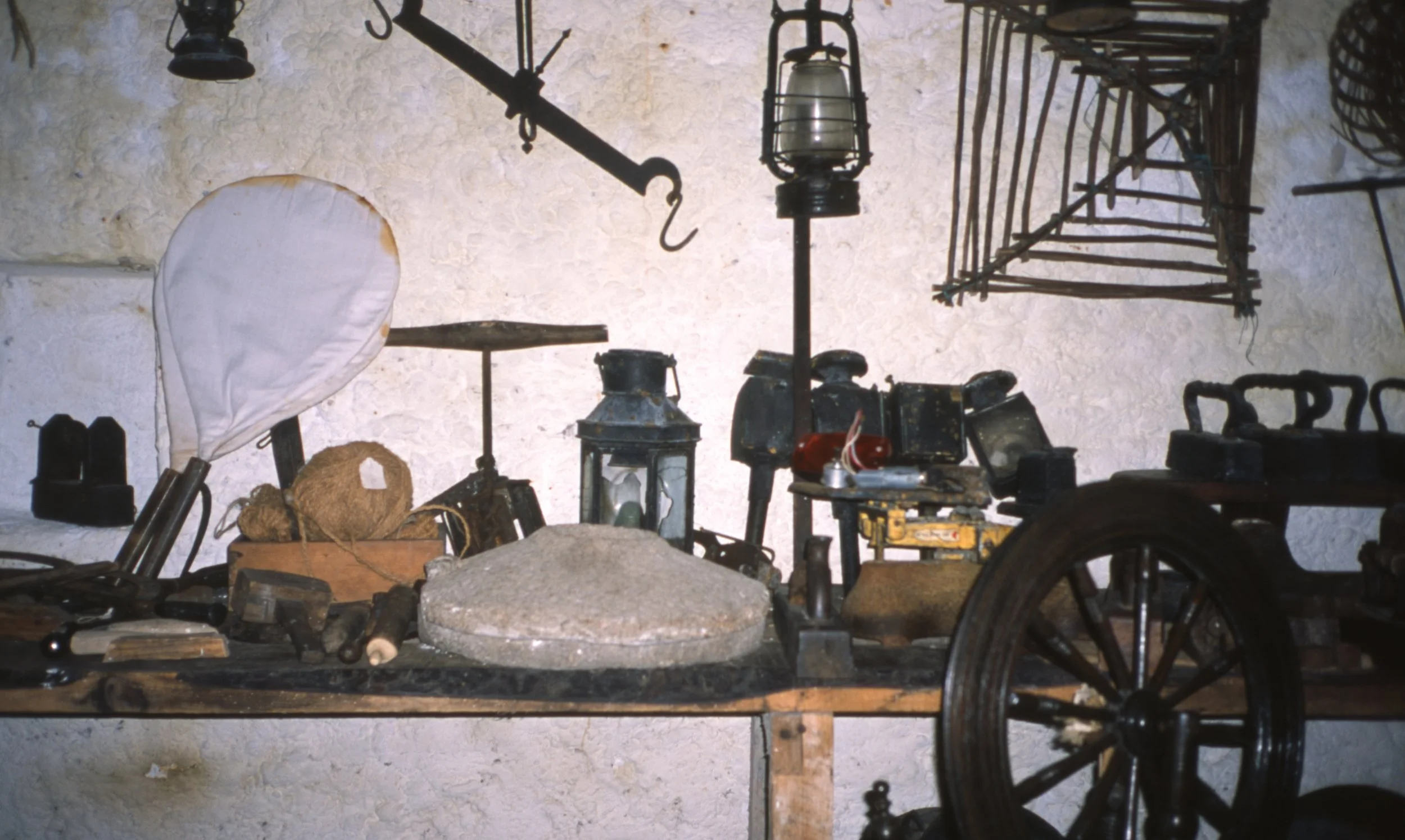
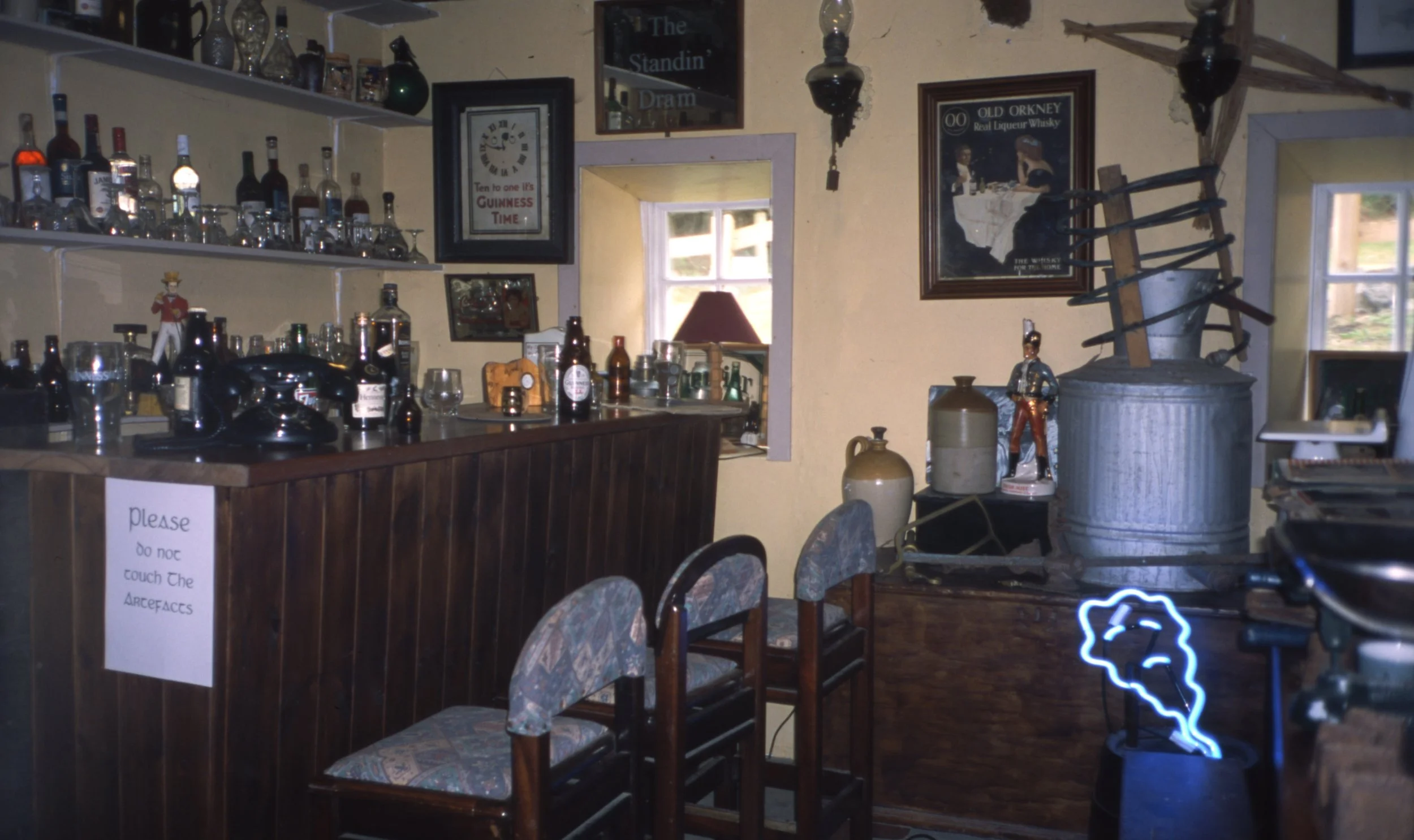
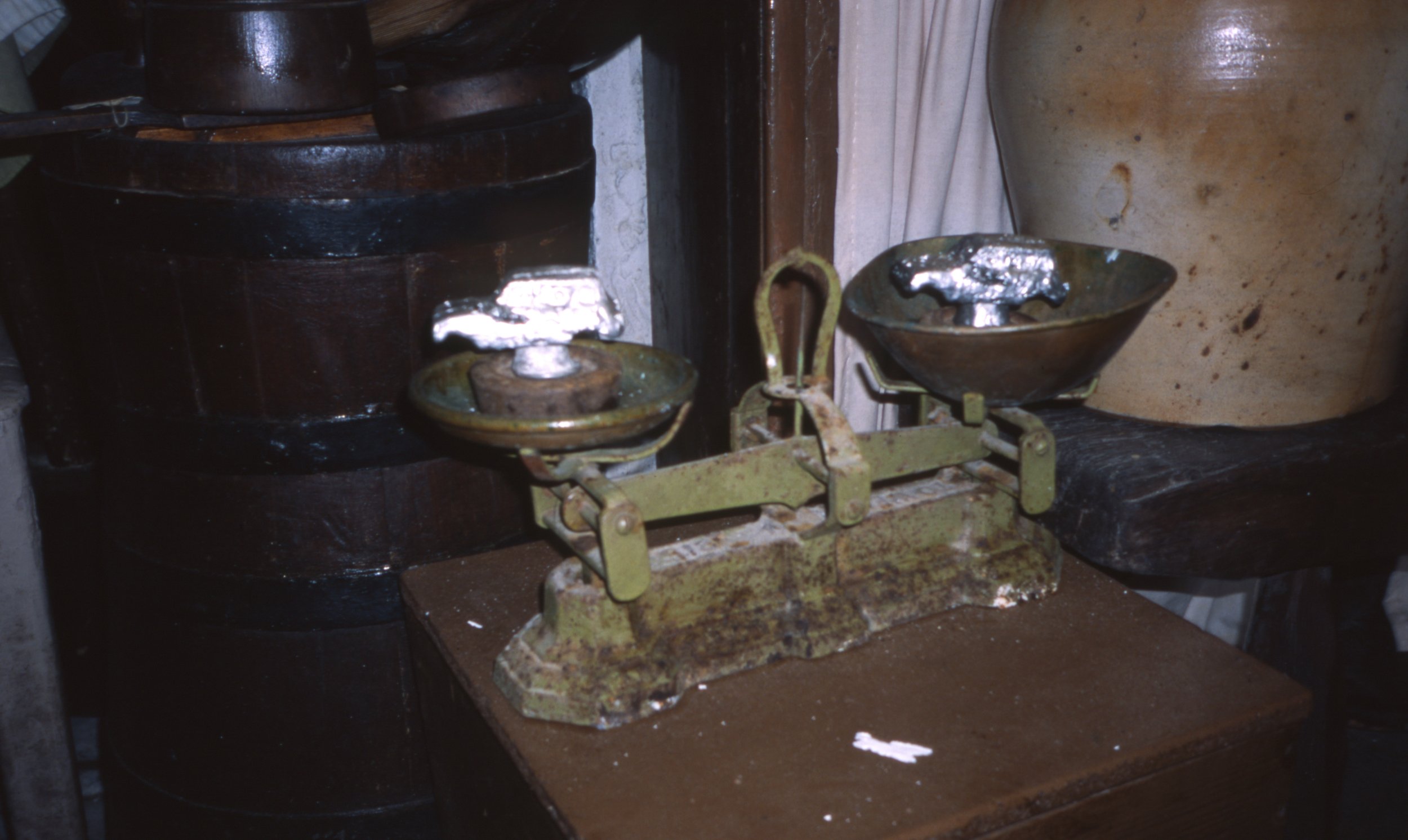
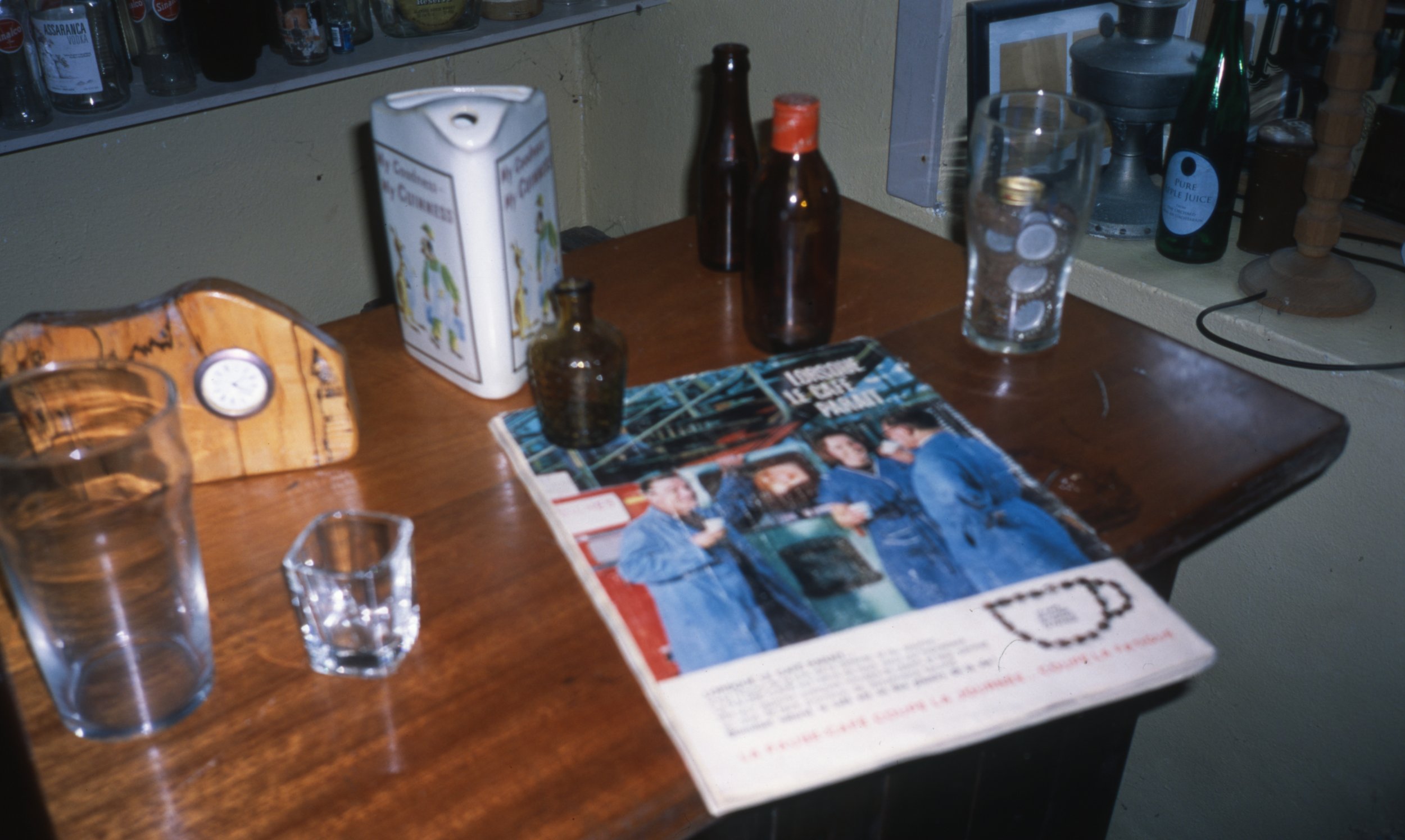
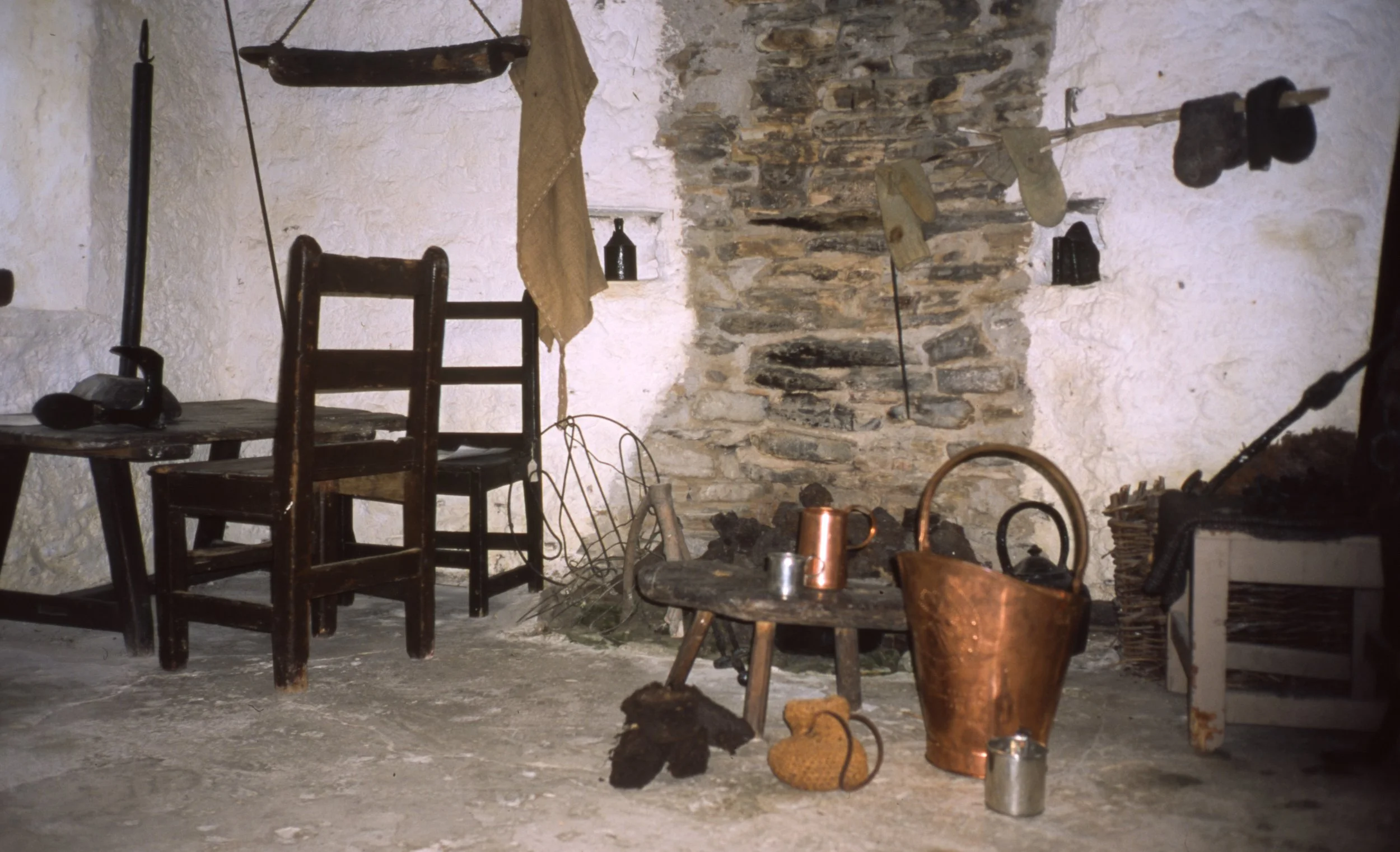
Photo credits: John Lyons
…they came from - Mín na bhFachrán,
named for bogbine,
known for music -
proposed a barter,
the gramophone for turbary rights.
The boys walked home,
taking turns to carry the gramophone
and three records.
We don’t know how many cartloads of turf
the shopkeeper took out of the bog
or for how many summers
or what the boy’s father,
a fiddler in a valley of fiddlers, said
or who got the better part of the bargain,
only that they had dry turf in Carrick that winter
and that new music was played in the valley.
Extract from The Barter by Moya Cannon for Rónán Galvin