17.07.2025
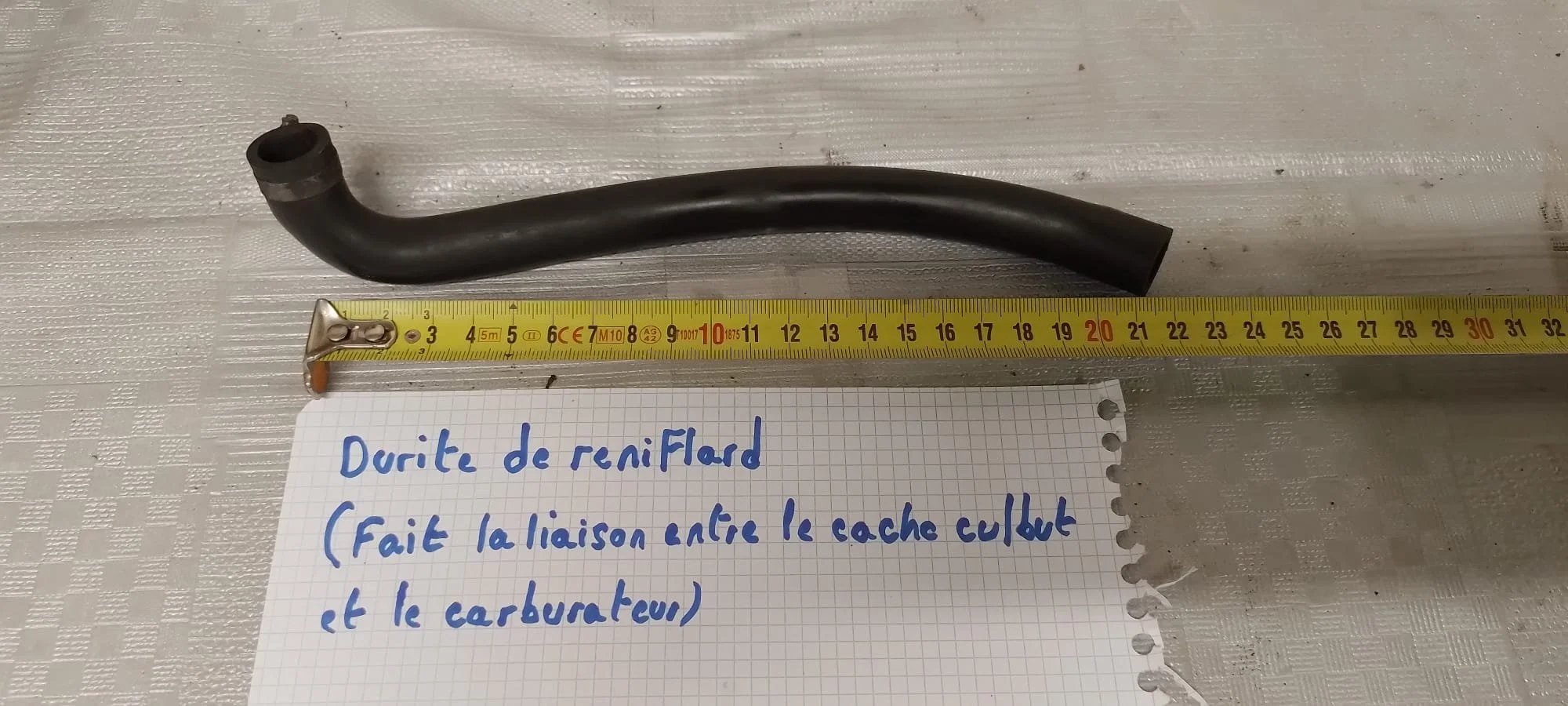
During the incident with the bulls, the car seized up and we couldn’t move. We had to wait it out until all the animals had passed by; first the huge bull, two more bulls followed, then the heifers, and finally about four calves. The car eventually started after a few adjustments under the bonnet, but the initial cause of the stall wasn’t clear. Possibly the engine flooded momentarily from pumping gas in a panic, and the excess raw fuel wet the spark plugs…the ignition needs to send high-voltage electricity to the spark plug so that it can shoot an arc across a tiny gap. Maybe at this point the spark plugs were too saturated to fire. Although we would have smelled the petrol if this was the case, and the engine would have cranked without catching. Maybe stopping suddenly on a steep hill caused fuel starvation, where the old car’s mechanical fuel pump can’t pull fuel up at such a slant. Perhaps it was a vapor lock…heat soak…airflow over the engine stopping, and radiating heat from the exhaust boiling the fuel in the carburetor…?
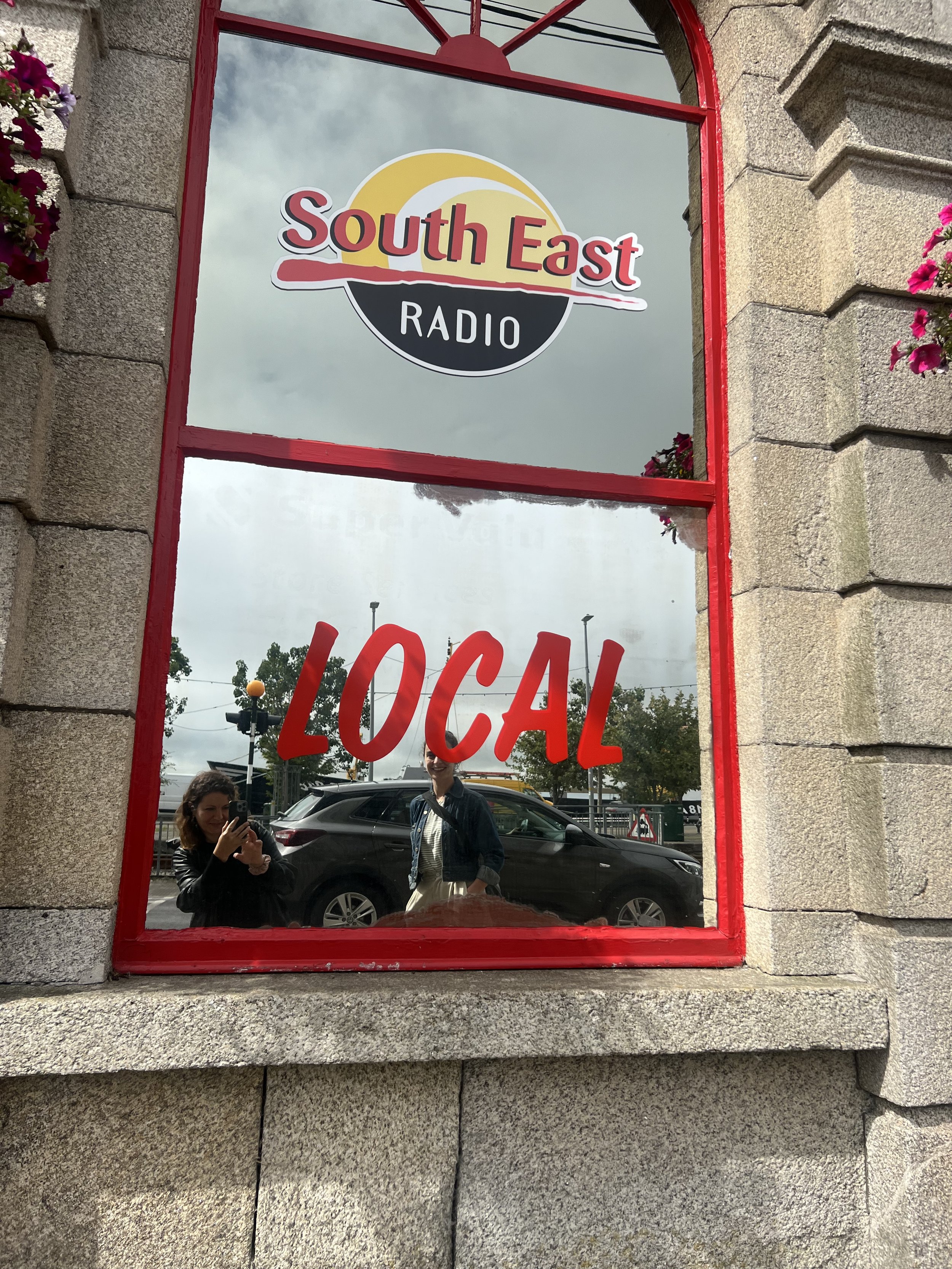
The three bulls and the car adventure threw an extra couple of hours on the journey and it was late when we arrived in Wexford. Under the awning of a pub by a windy pier, we sat sipping salty pints, half sitting out in the rain by the sea, and planned our schedule for the following day. We’d have to be up early to check that the car was ok to get us to our interview on time. This day last year we had a slot with Alan Corcoran at South East Radio for his hugely popular Morning Mix programme. We wanted to reach as many people as possible in Wexford. On air, we invited people to a coffee morning at Wexford Arts Centre and a lecture at the the Irish Agriculture Museum in the coming days.
Wexford was a key pit stop on tour de force, for its industrial past and car assembly plant - a Renault factory opened in 1965 on a site between the Rosslare Road and the Wexford town waterfront. Hundreds of people from the area were employed at the factory which had been set up there because of the highly skilled local labour force. This was due to the fact that the plant had long been associated with motor assembly. We were hoping to meet people who had worked at the factory, and who might share their memories and experiences of driving, building or owning a Renault 4 over the years, or being a passenger in one. We wondered if anyone still owned a 4L, and if so - had they modified it. If they had one in the past - what happened it. So far, the people we’d talked to about owning a 4L often said the same thing; it was a great car, the rust got it, I drove it to the ground.
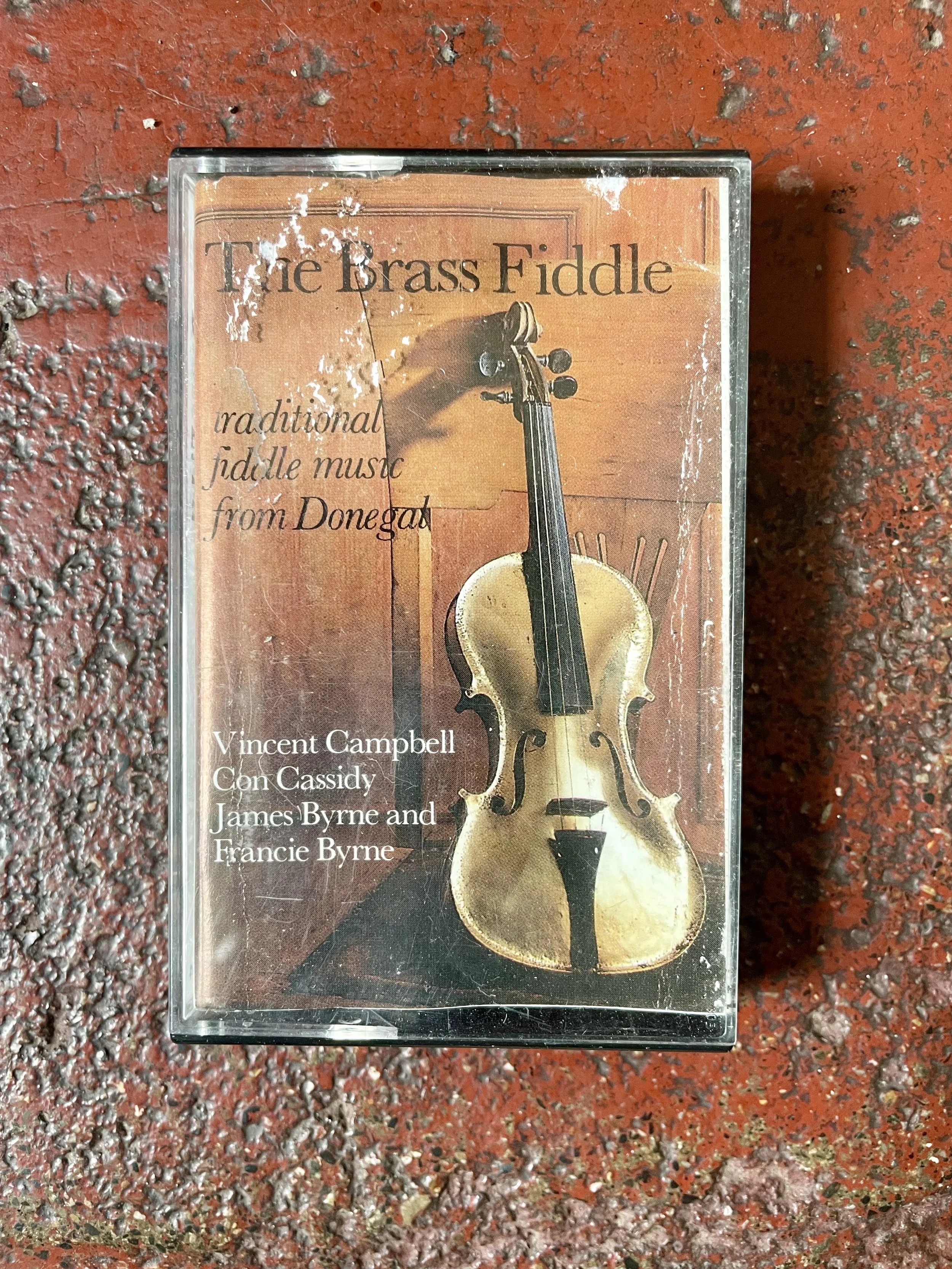
After the interview, we strolled around and met Anthony at a jumble shop where we went looking for cassettes. The Brass Fiddle all the way from south west Donegal with four of the great Donegal fiddlers from the older generation of players, James Byrne, Con Cassidy, Vincent Campbell and Francie Byrne. This was a brilliant find, even if the sleeve notes were fused together from the damp. Conversation sparked at the counter with the proprietor, due to the excitement of the cassette find and that’s when Anthony joined us. The two men were friendly, familiar with one another.
You never know what you’ll find in here, said Anthony. That’s it, said the proprietor - tell them about the book, he suggested. The photo book. That’s right, the photo book, nodded Anthony. A book of family photos and all the lads at the old car factory - who would throw that out. And do you know what, I found pictures of my own father in the book, said Anthony, with all the other men who worked at the factory. I don’t know who it belonged to but it must have been an old friend of my father’s. Ah it was a wonderful find. It’s funny what people throw out isn’t it, Anthony said to the proprietor
We asked Anthony to please join us the next day for our coffee morning and to bring the photo album if he felt like it…