11.08.2025
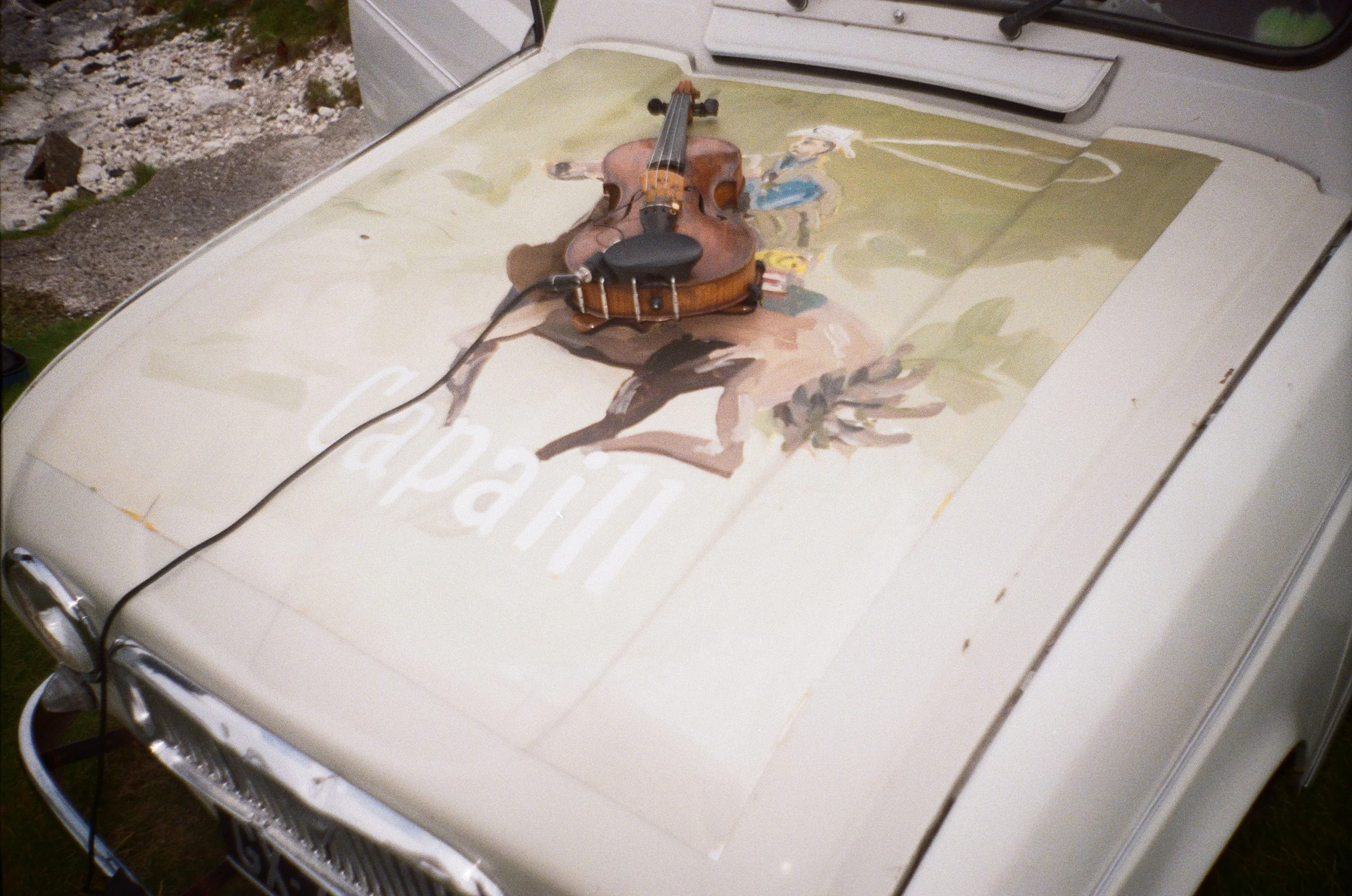
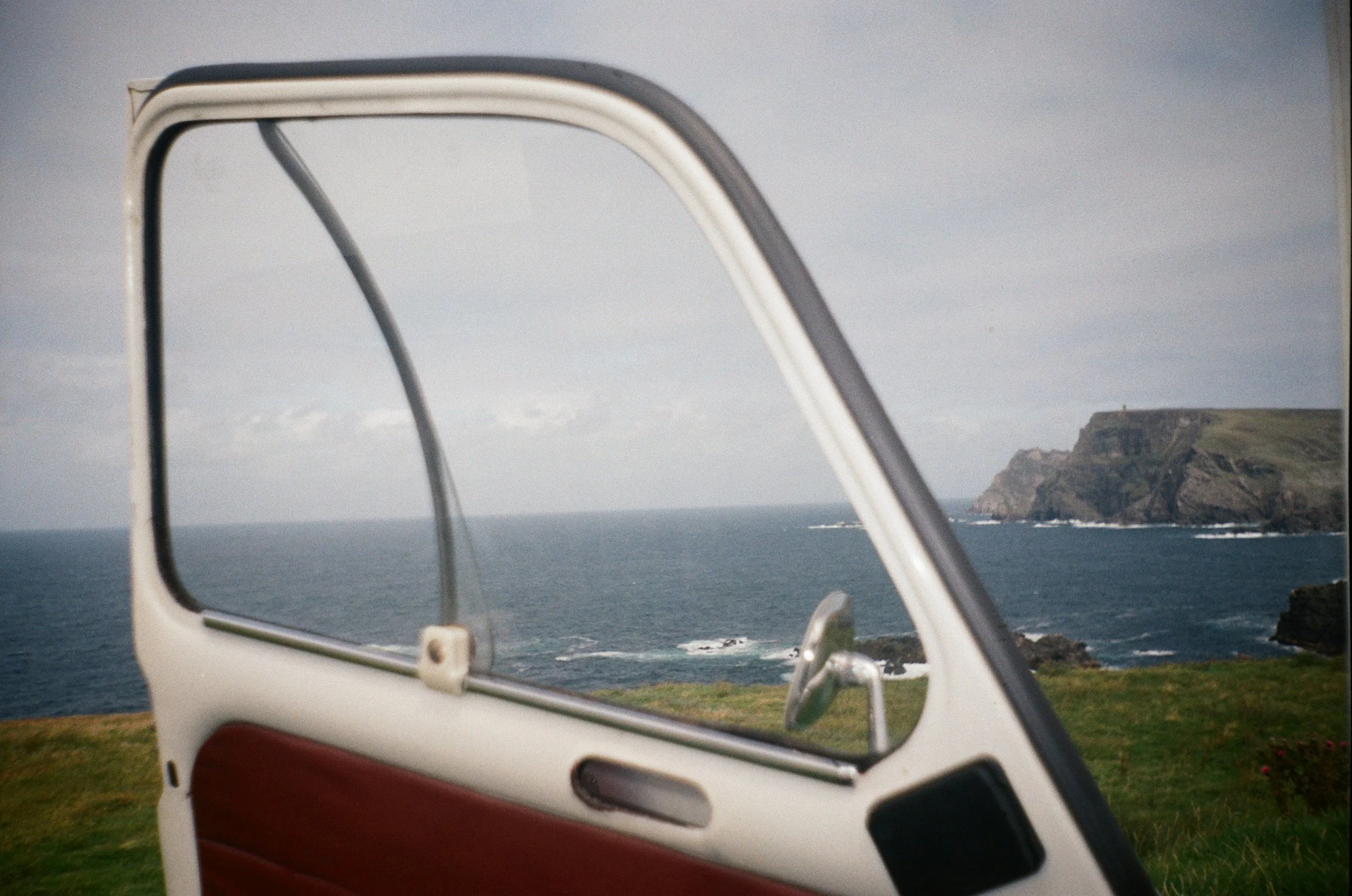
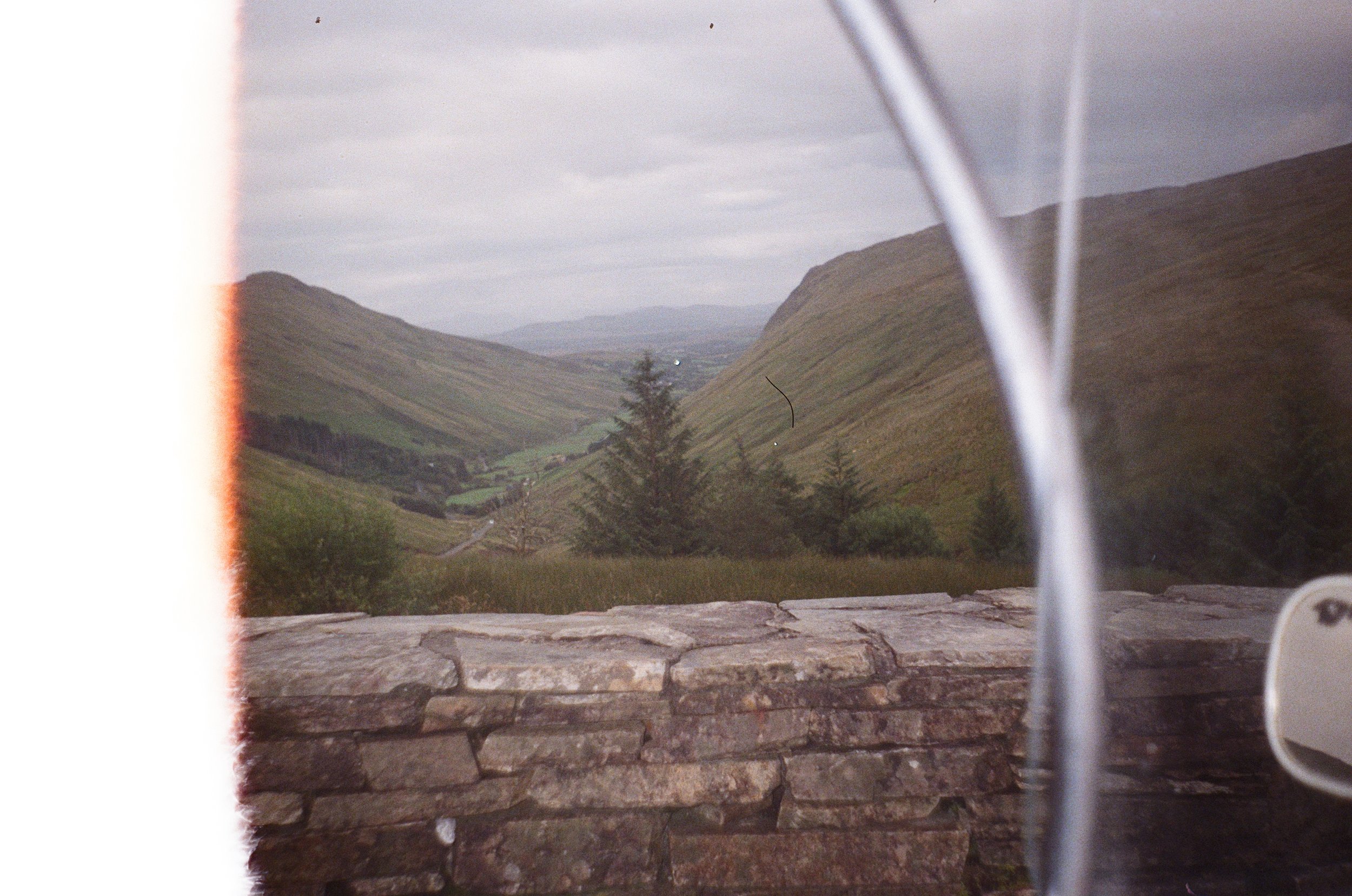
With the backdrop of the mountains, traditional and classical music was played on violin/fiddle to consider merging points between classical and traditional expression with the instrument.
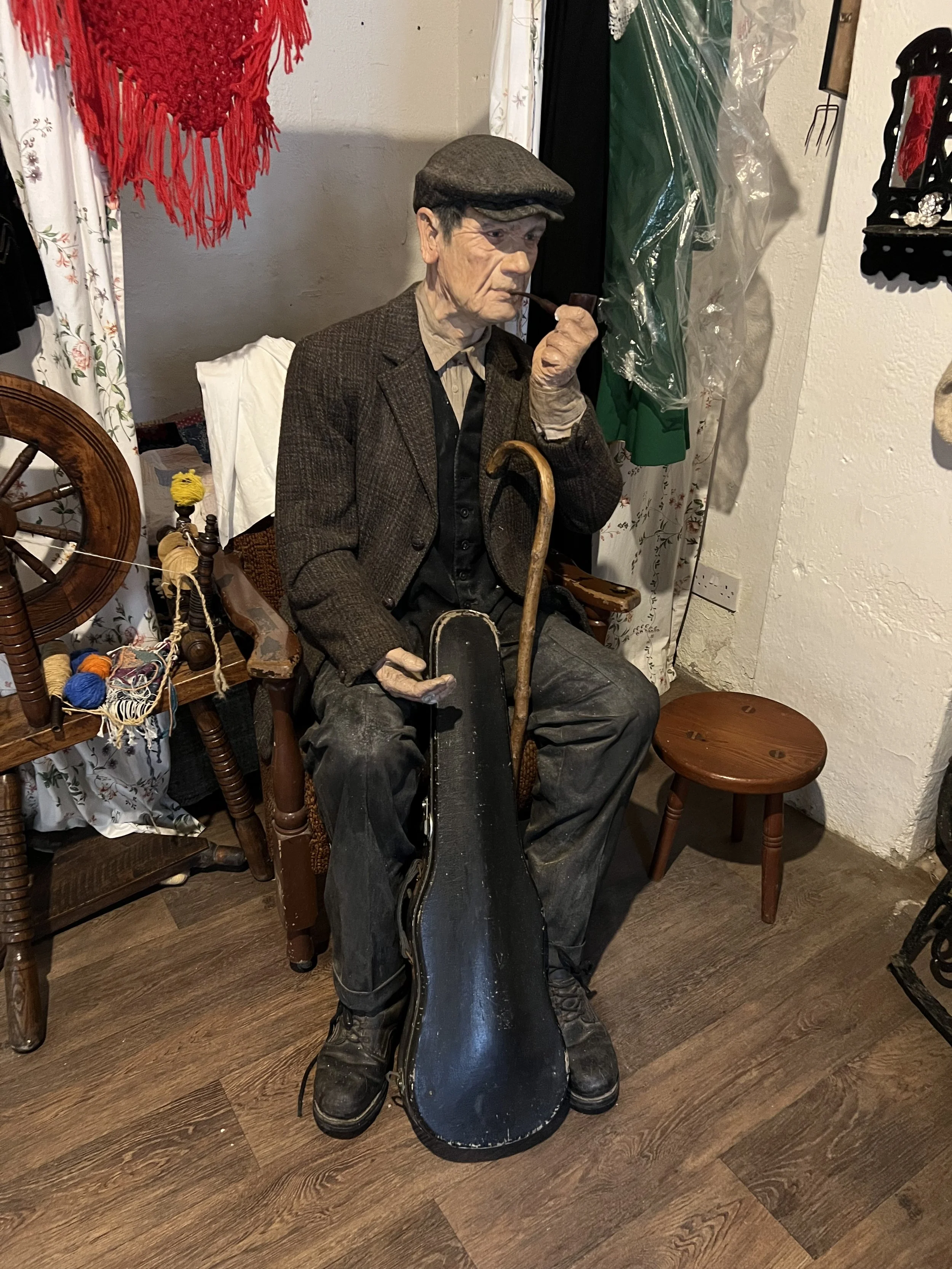
On small roads to remote villages, we retraced the paths that musicians once took, playing at house dances, introducing new melodies, selling tin fiddles, repairing household objects and bringing news with them. John (Johnny) Doherty (1900–1980) was a travelling musician; a fiddle player and tinsmith from Ardara who moved regularly around south west Donegal, representing an old way of life. A way of life that was eroding due to new markets of mass production, the development of new channels of communication and new roads. Let's shorten the road with a tune, he’d say and he’d walk the roads or catch a bus with his fiddle.
There is a story about a tune in Donegal. While the travelling fiddle maestro John Doherty waited for the bus, he was approached by a man who wanted to acquire a beautiful slow air called ‘An Cúilfhionn’ that Doherty had played the previous night. Doherty obliged, but the bus arrived just as he began to bow the notes. He accelerated the tempo in order to impart the full piece before leaving and what was a slow air became a jaunty march as he played out the bus door while it pulled away. So, the tune, believed to date from 1296 or 1297 was transformed in its transmission to create a new tune that lives on in the repertoire.
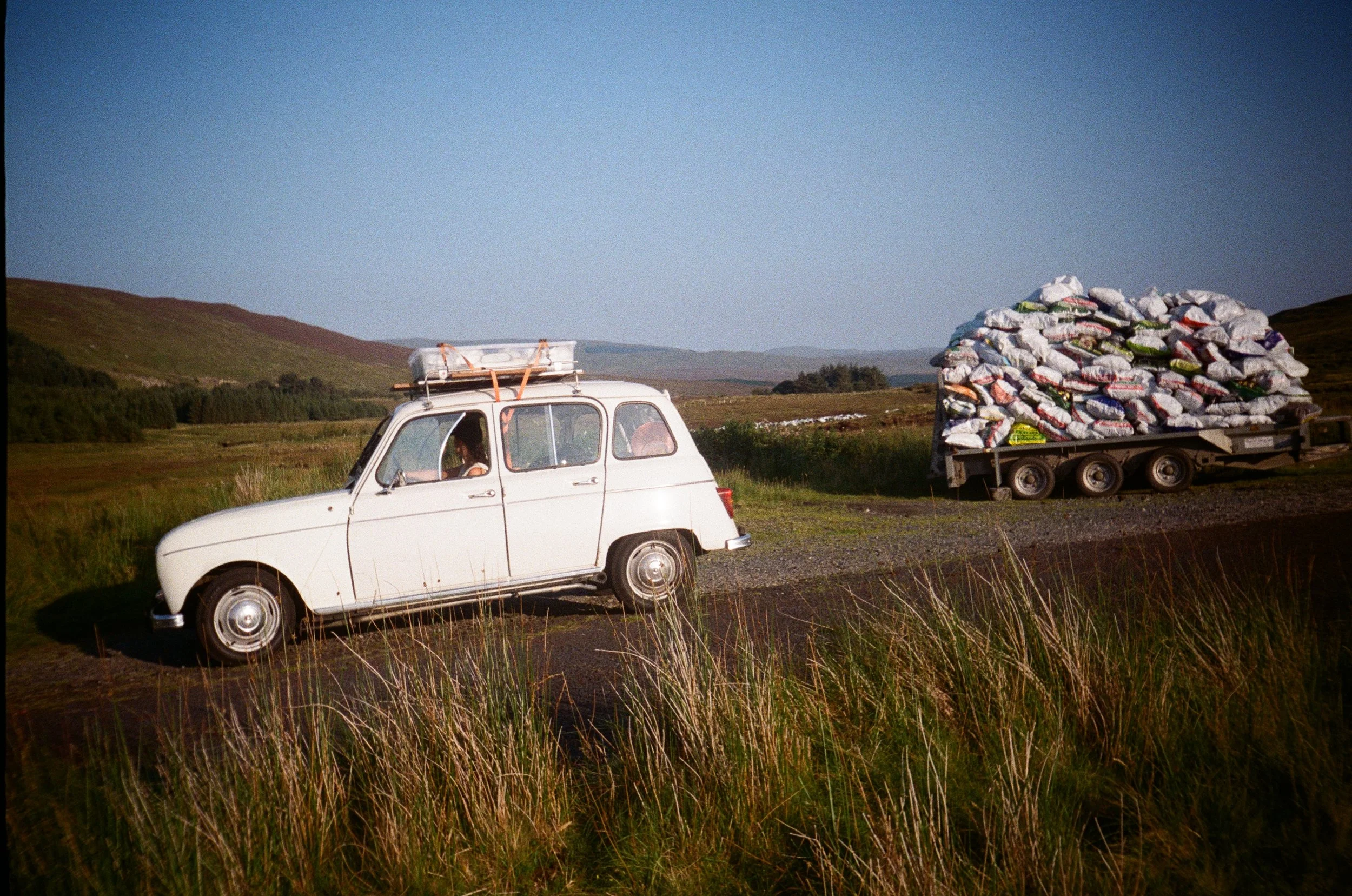
This time of year can be changeable, almost time to light a fire - some people have started already and the smell of turf is in the air. The phasing out of turf as a fuel - how does all this affect the preservation of context for traditional cultural expression - which typically took place around a home fire. The smell, sight and sound of a fire is deeply embedded in the Irish creative consciousness.