31.07.2025
Before photogrammetry, laser scanning, and other forms of digital preservation became widespread, archaeological sites would employ artists, often students from local art colleges to join digs and draw artefacts as they were excavated. Artists, who worked on these sites described the human attention to detail in terms of priority and focus. The human eye noticing details on pottery fragments, bones, and stone tools for example, and the immediacy of hand rendering surface textures, break lines, and cross-sections to give a more rounded emphasis. These are perspectives that a photograph can miss. It’s interesting to think about; the endeavour of artists, excavating artefacts that were crafted, created, forged, assembled, and then buried. In a moment, creative expressions spanning hundreds or thousands of years are drawn together on archeological sites; materially, contextually, philosophically to align people over a vast expanse of time.
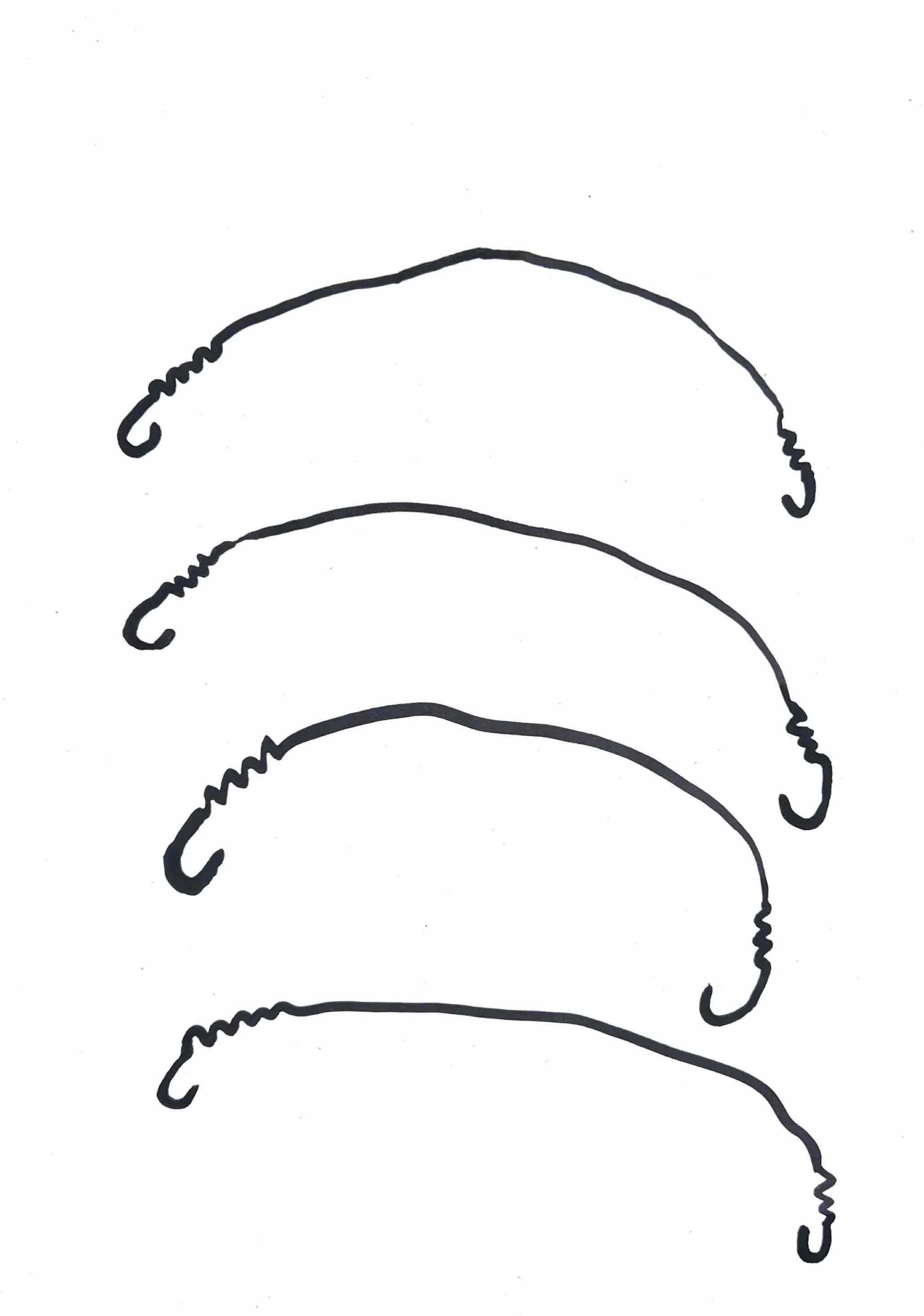
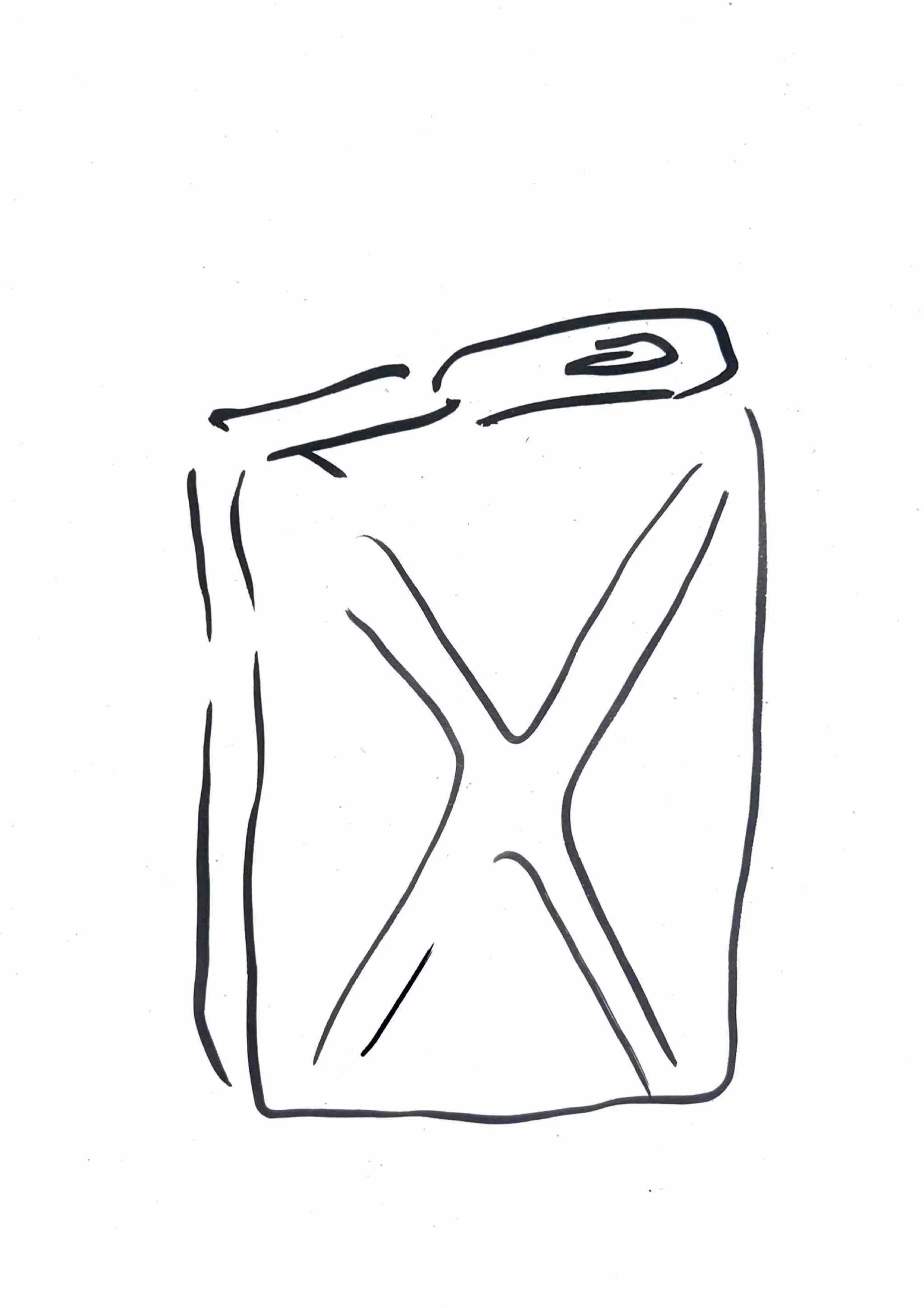
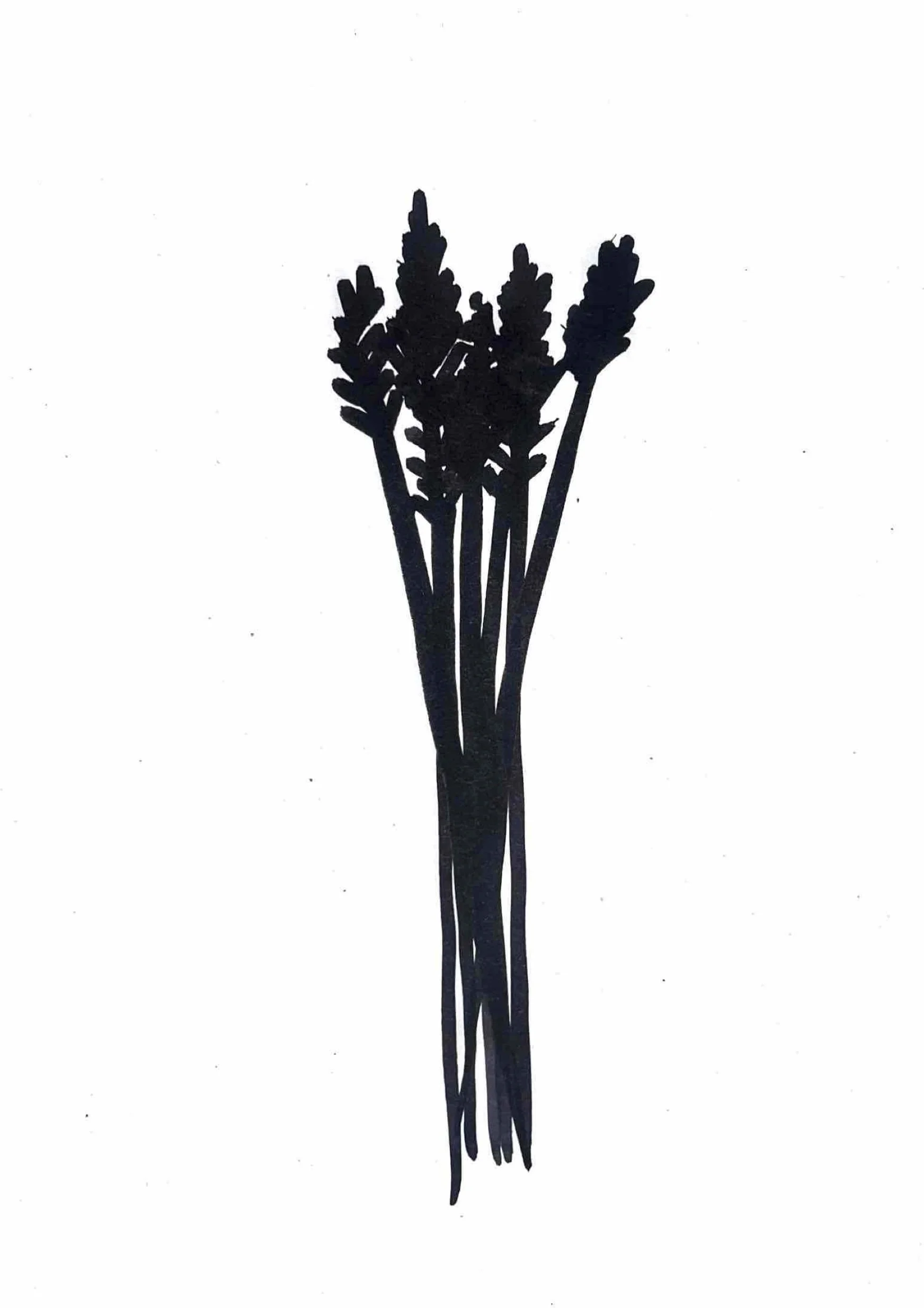
This time last year in Leitrim, one by one, we removed objects from the Renault 4. After being on the road for 22 days, we had amassed a collection - we unpacked items from the car examining them to decipher their use. Are they functional, representational; a tool, a prop, a portal, a touchstone. Are they a work of art.
Perhaps the object has a history of both function, and ritualisation. Like the stories we read about tools that are talismans. Accounts from the Schools Copy Book Collection, an archive of folklore compiled by schoolchildren in Ireland in the 1930s, often connect objects with narratives, fictions and uses to represent a broader history, local or global. One such story is The Blacksmiths Anvil. In Ireland, forges historically served as local hubs, providing essential infrastructure for rural communities: they were the social heartbeat circulating news and stories, whilst providing a necessary service; ensuring practical repairs and maintenance. According to an 1841 census, there were about 25,000 blacksmiths active across Ireland before the famine. Dotted all along the old roadways of Ireland.
Blacksmiths, were believed to hold powers of clairvoyance as well as the ability to bring good or bad fortune upon a person. Stories abound in the Schools Copybook Collection, a national archive of folklore, a Smith's Cure for example, where half a crown from a blacksmith can cure an ailing horse. Turning the Anvil is another such story. Placing the anvil at the centre of communal storytelling, where it is turned and struck. In a circle at a forge, people move through discussions, perhaps toward the discovery of a wrongdoing or the decree of a curse. A group of people centre an object in order to express a shared grievance. They strike the anvil creating a narrative beat. Rhythmically, steadily each person has their say and from this communal percussion, a solution emerges.
When we are documenting artefacts digitally, with vector programs etc, for digital archiving towards the representation of their historic function, we might miss the depth of associations that the object has; what it could represent for rural workers, impoverished tenants, transient trades people of the past, and so on.
Maybe nowadays, our holding objects of material or intangible heritage in order to expand on their greater meaning gives space for speculative histories to come to the fore, and this is the point where fiction and history blurs and merges.