28.07.2025
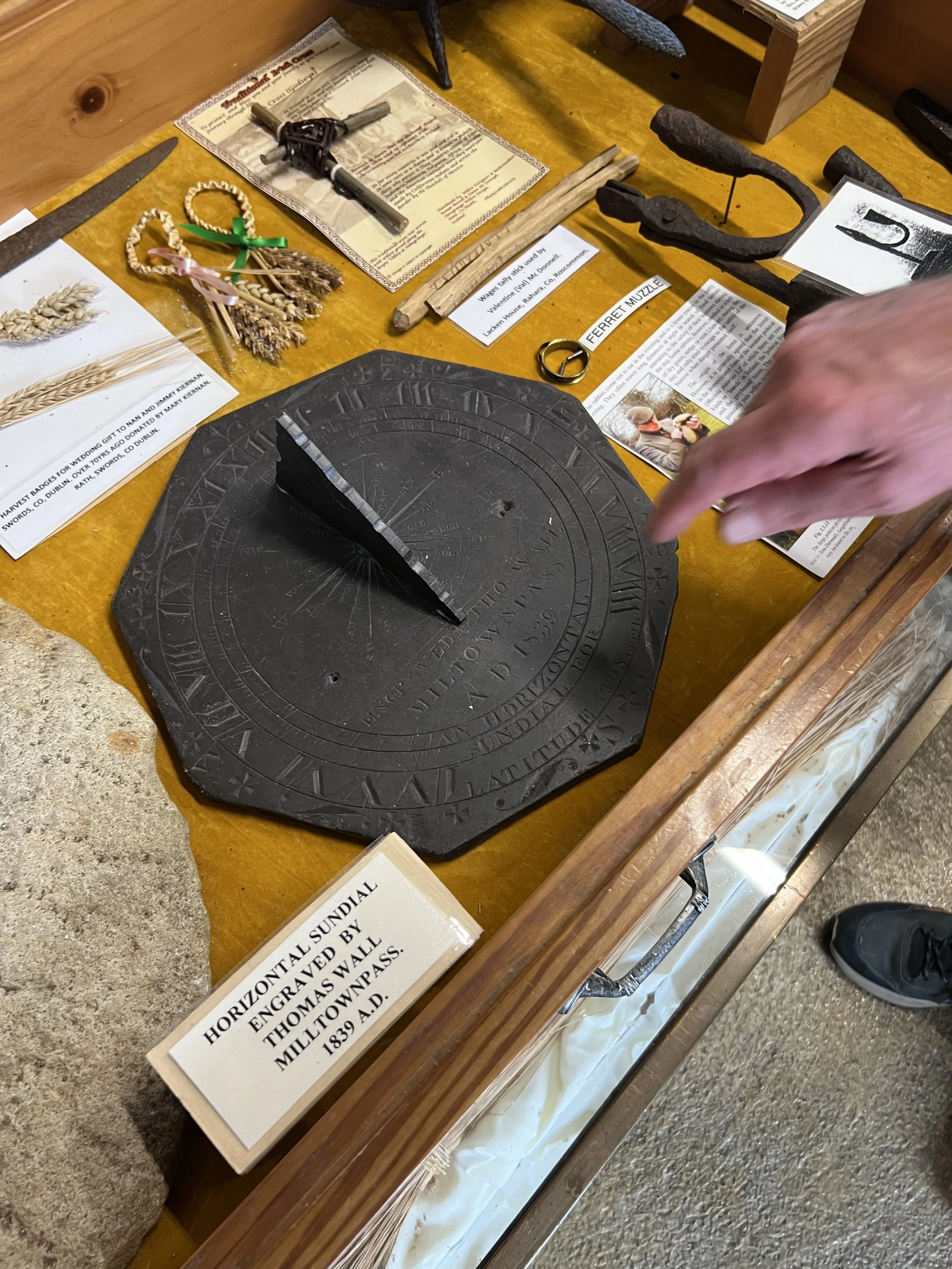
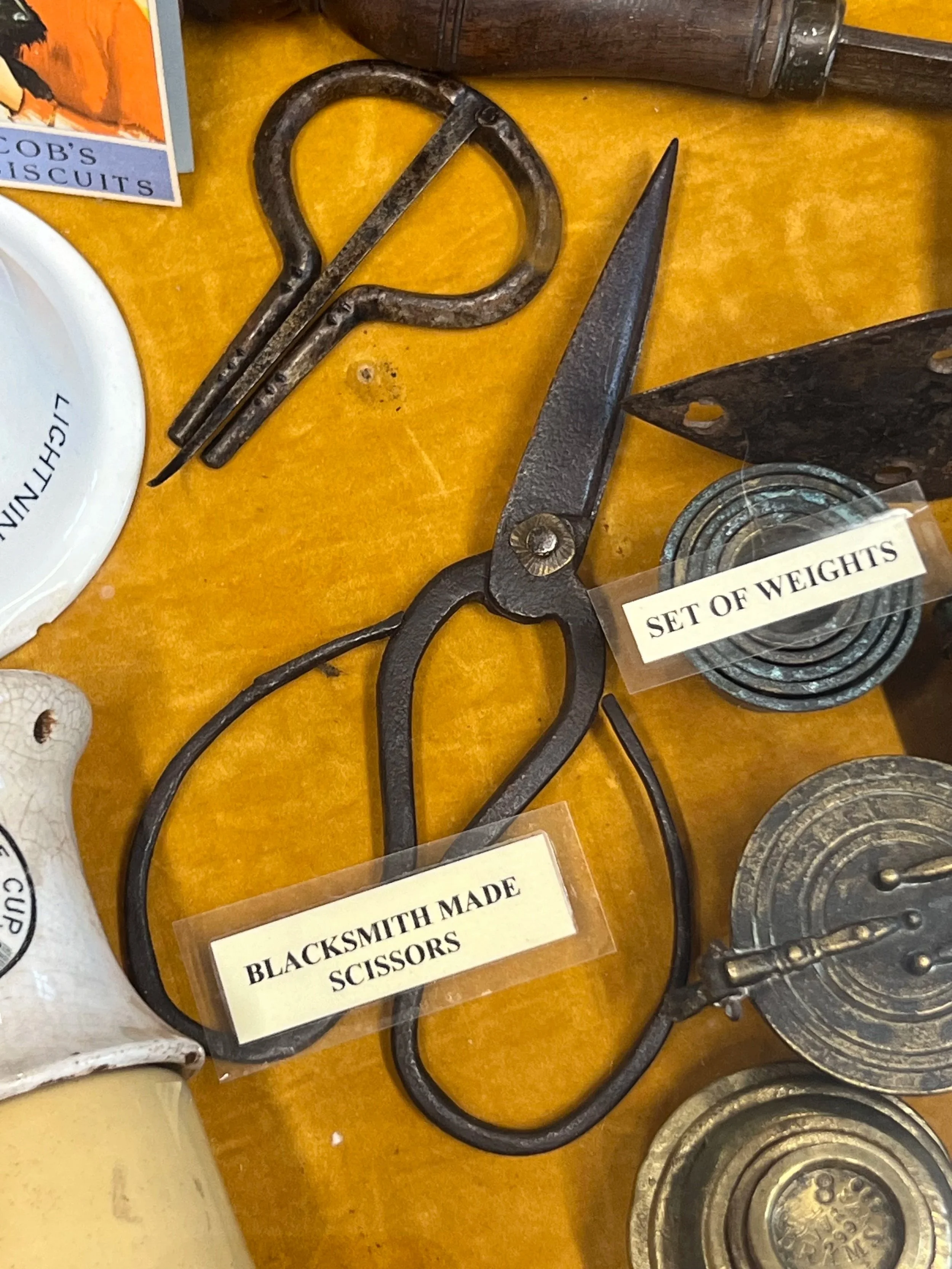
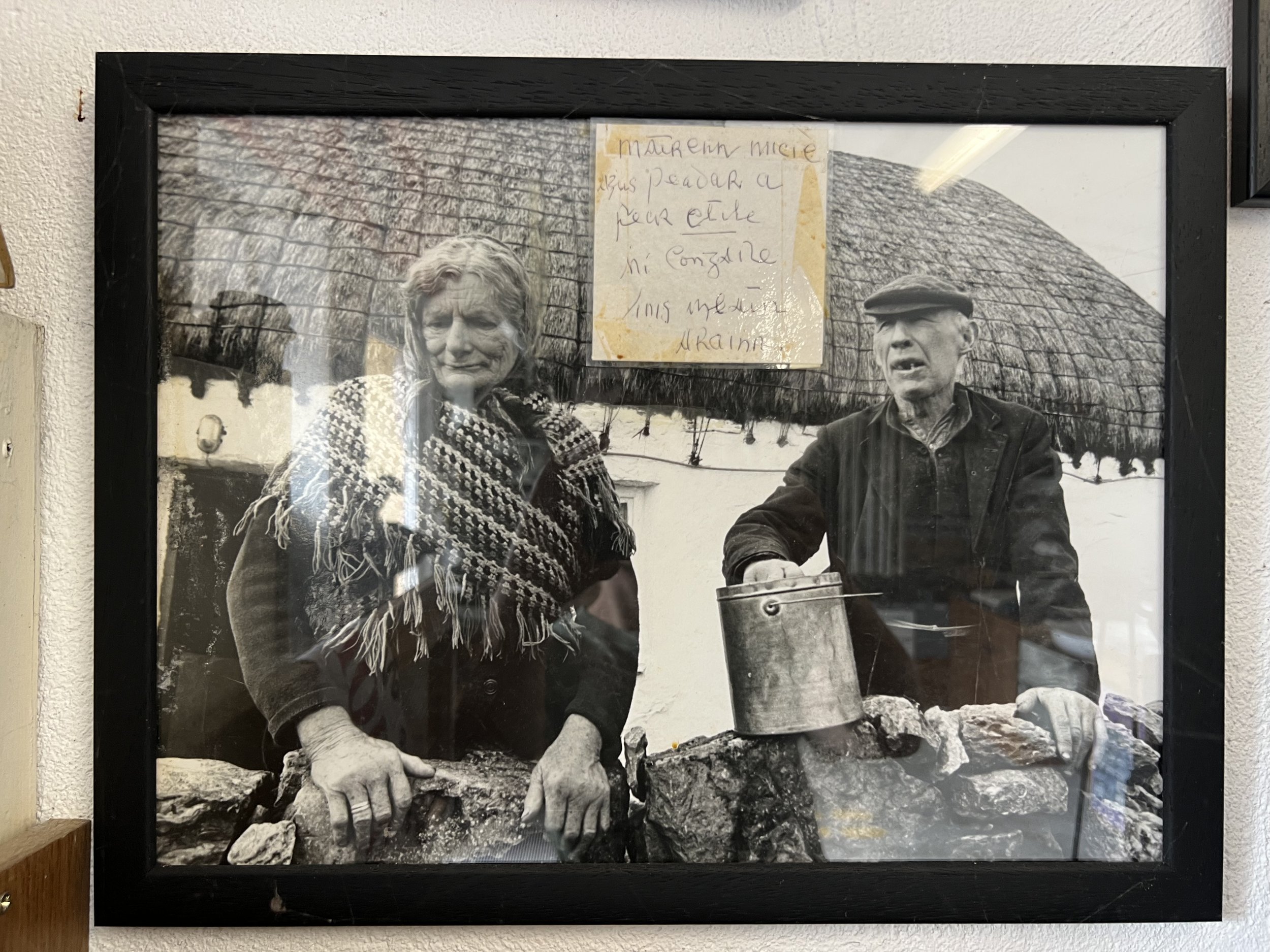
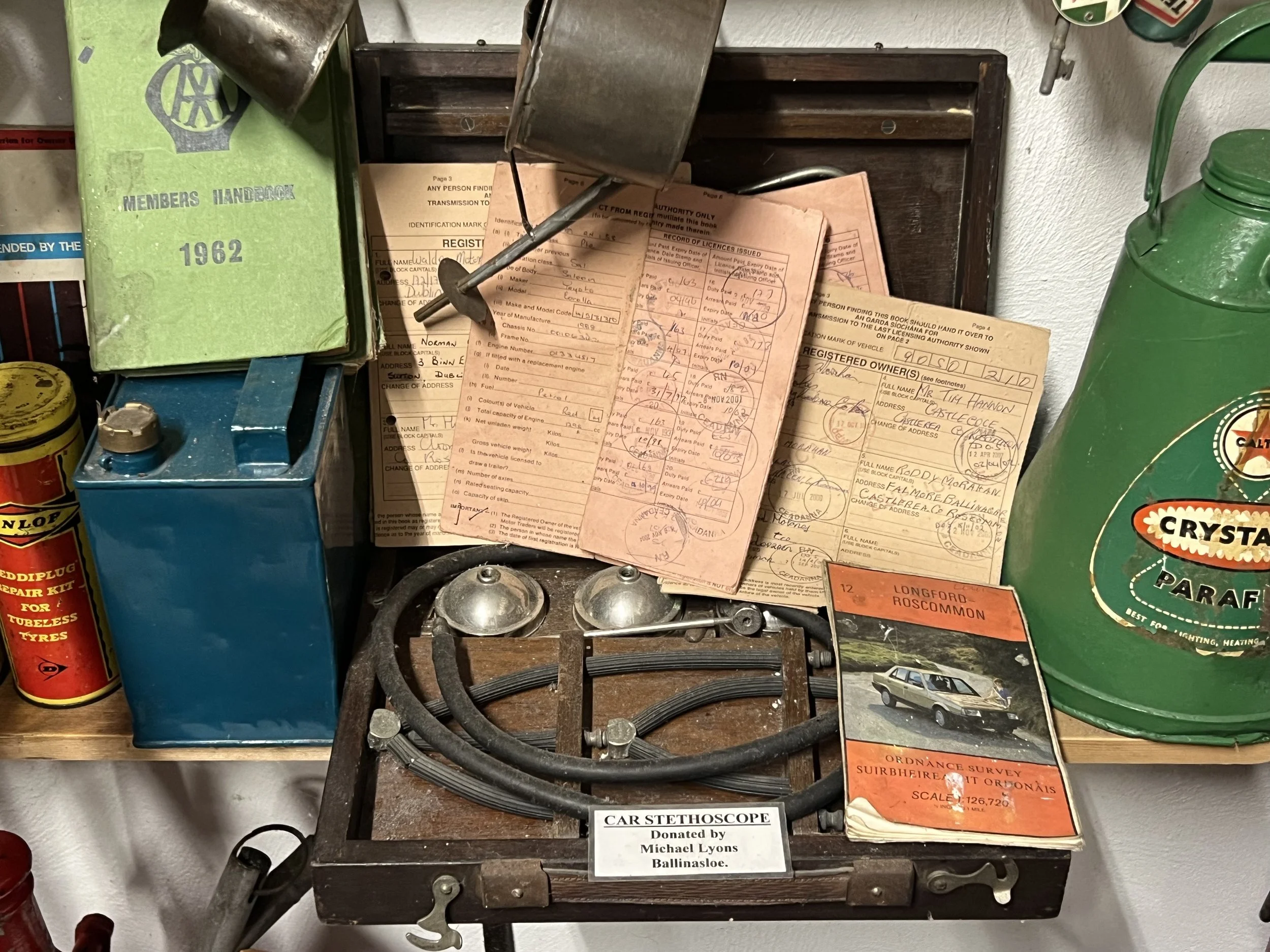
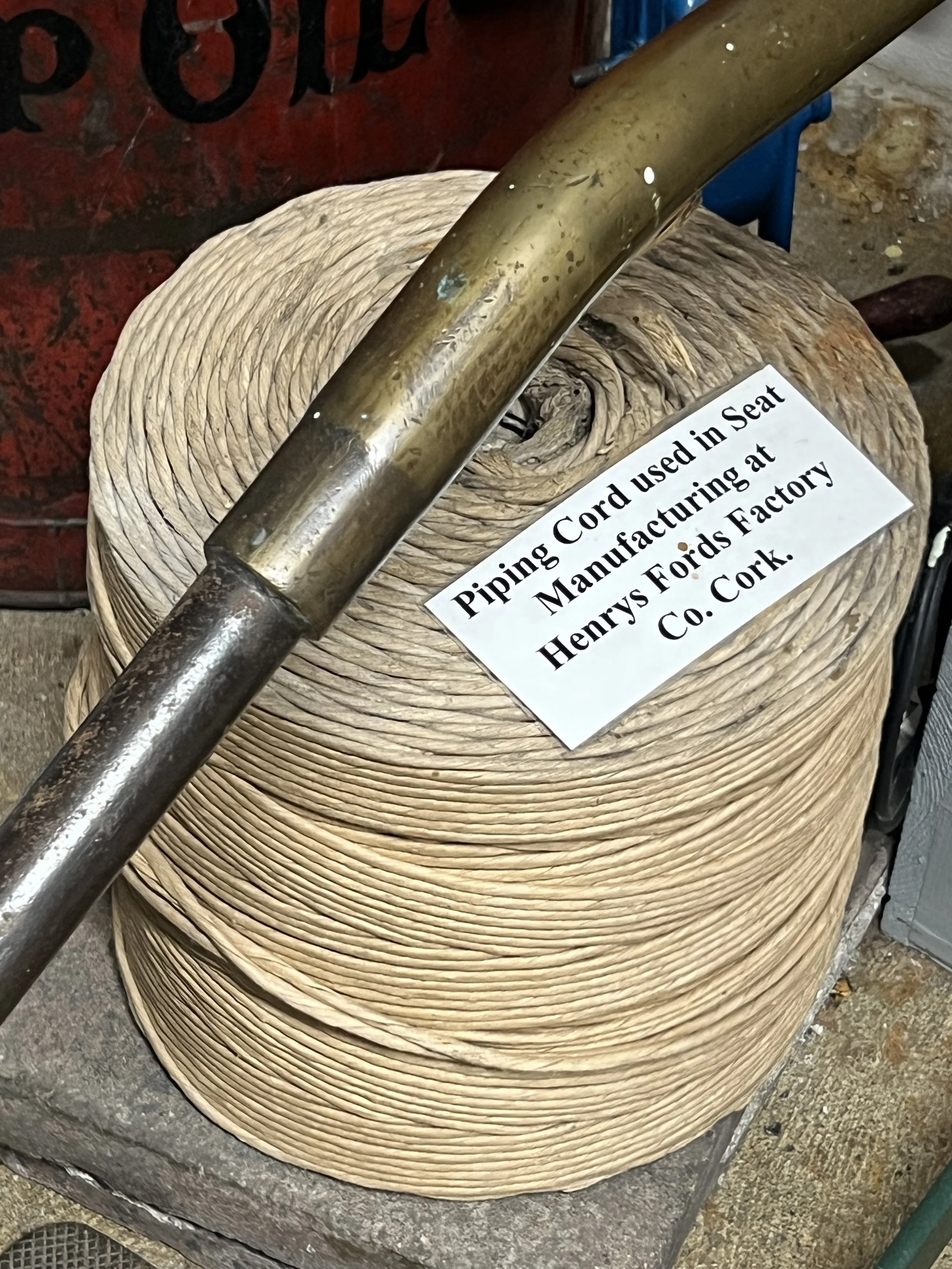
Charlie Finneran, a man who runs his own folk and heritage museum in Derryglad, Co. Roscommon has collected about 8000 objects over the years. His collection started with a slate sundial, dating back to 1839, which was engraved by Charlie’s great-great grandfather and built into their family home. After discovering the sun dial in the thatched roof of the house as a young man, Charlie began seeking out everyday objects representing stories that might otherwise be overlooked or forgotten, mostly stories about local rural life.
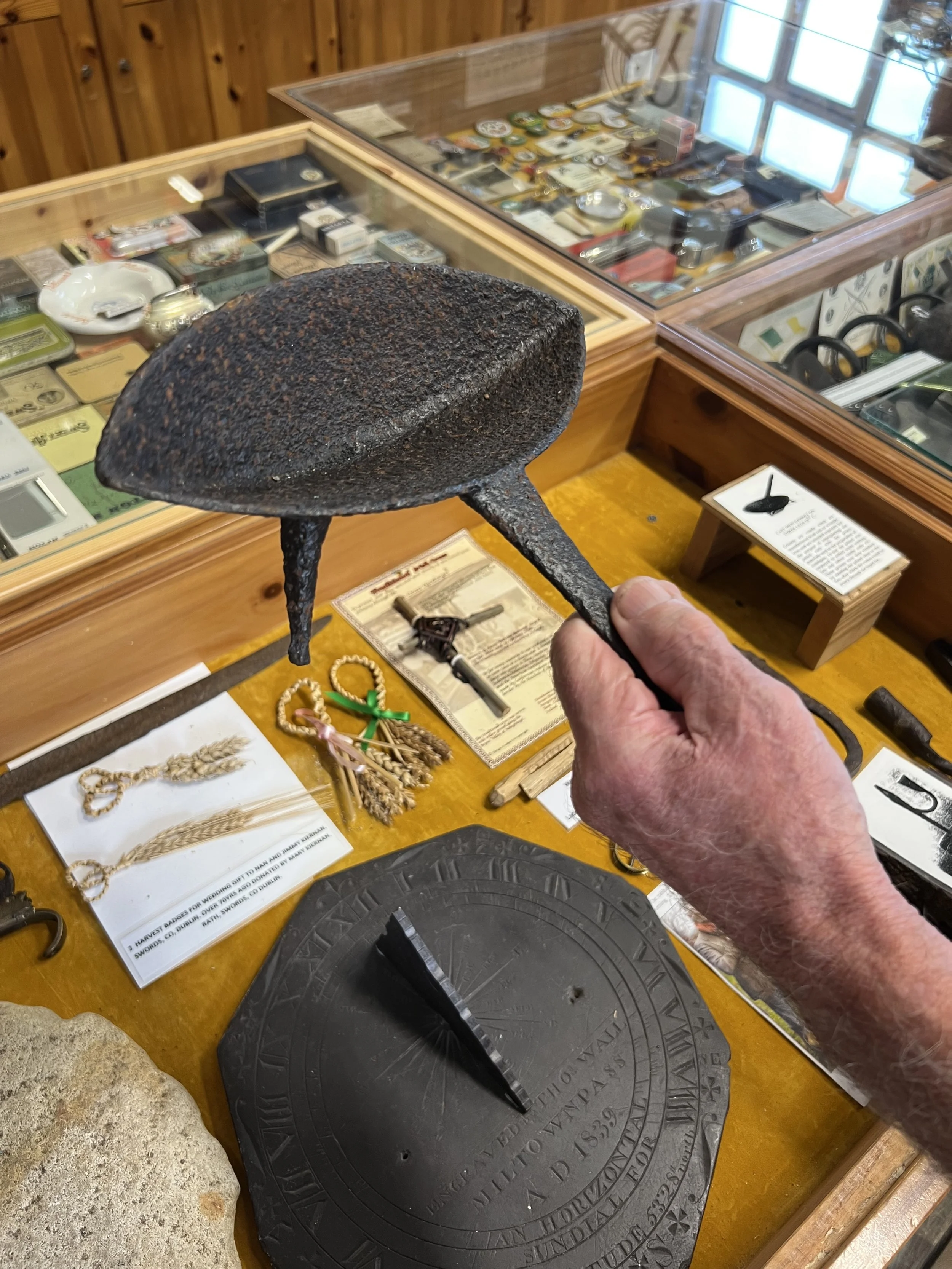
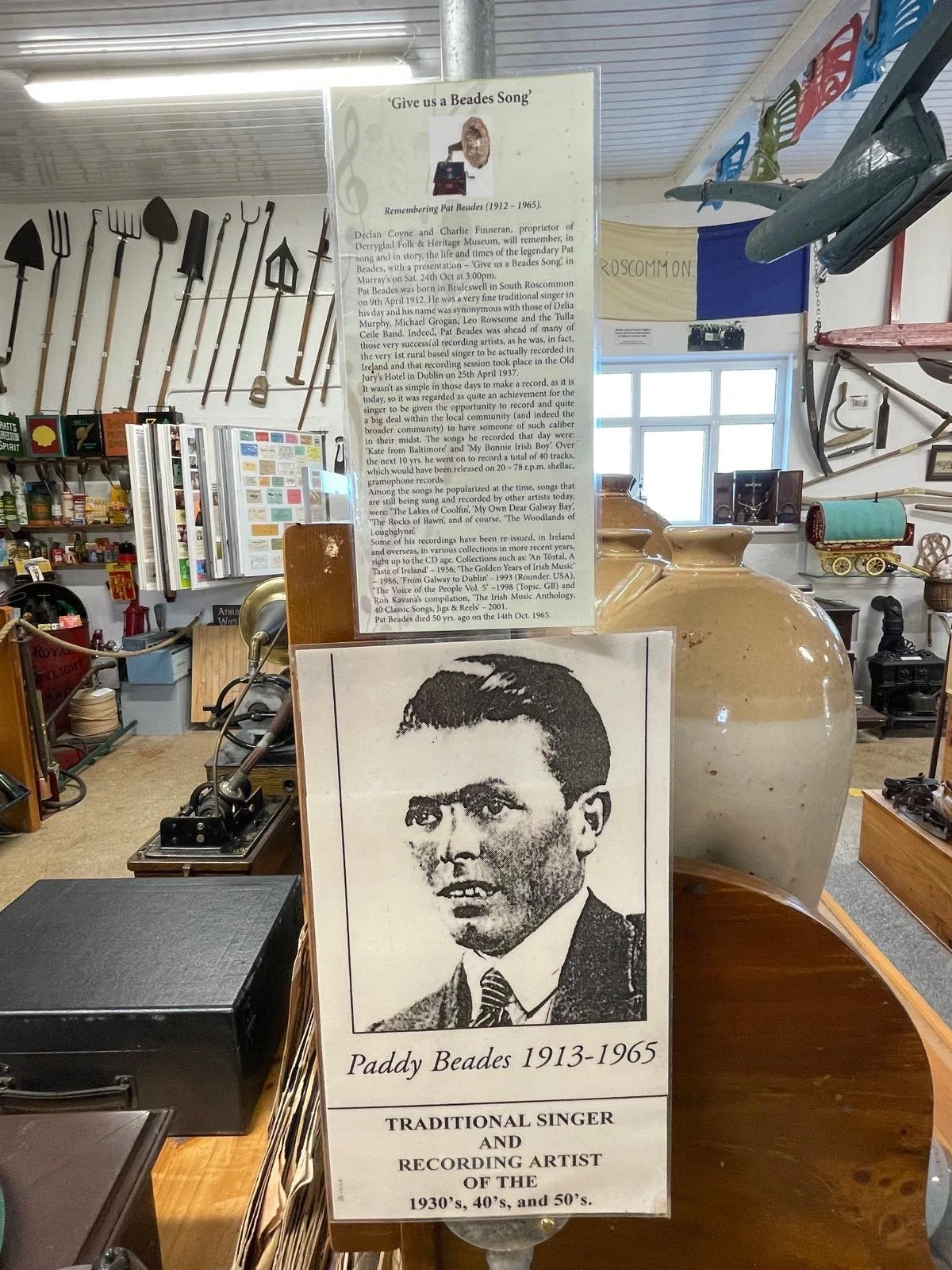
Gradually he built sheds to house the objects, adding more sheds as the collection grew. Word spread and people from the area at first, and then from all over Ireland, started to bring items to donate. What sets Charlie’s collection aside from other folk museums, is that he himself can tell you the story behind each object, as well as the life and times of the people connected with them. He remembers every detail. He’ll pick an item up, turn it over, examine it for a moment and then tell you all about its history.
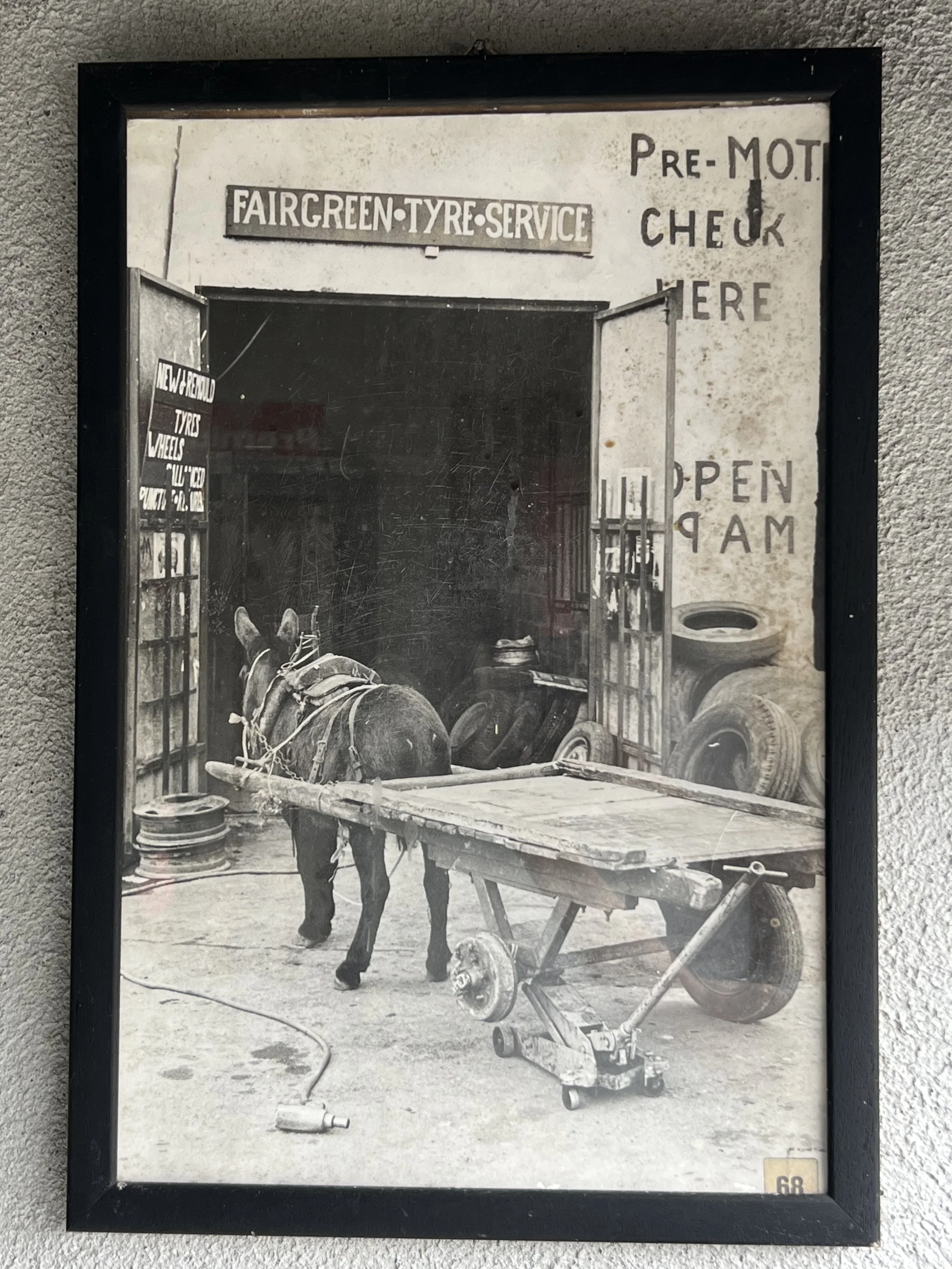
His encyclopaedic knowledge covers a range of topics and timelines, that describe for example, the advent of rural electrification and the move from horse power to diesel power. His contextualisation of the objects in relation to their histories is surely unparalleled for a self-initiated, self-run museum. Charlie has a great depth of understanding around the folklore and common work of rural communities, having spent much of his time with older generations, listening to them and learning their ways all throughout his life.
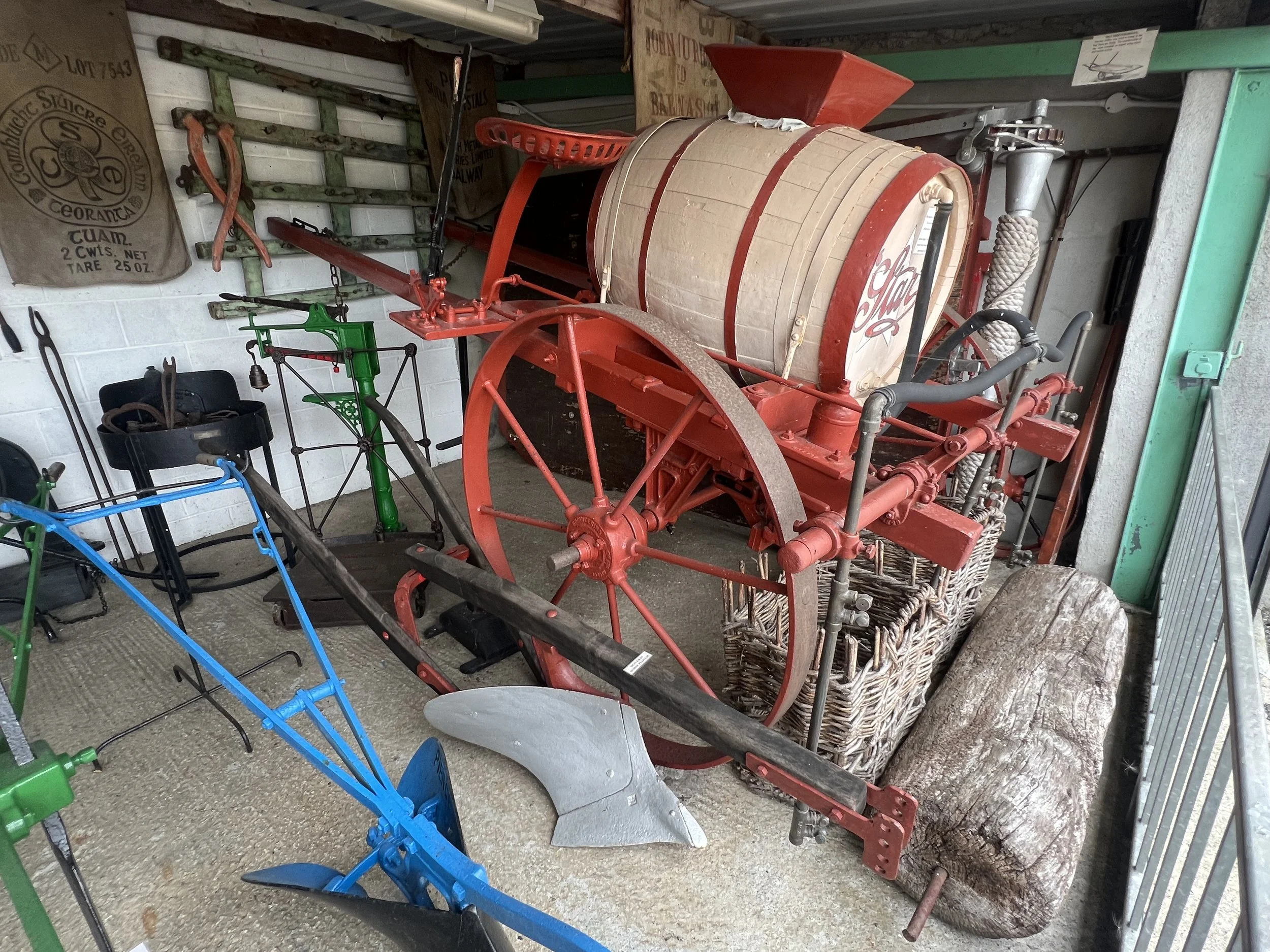
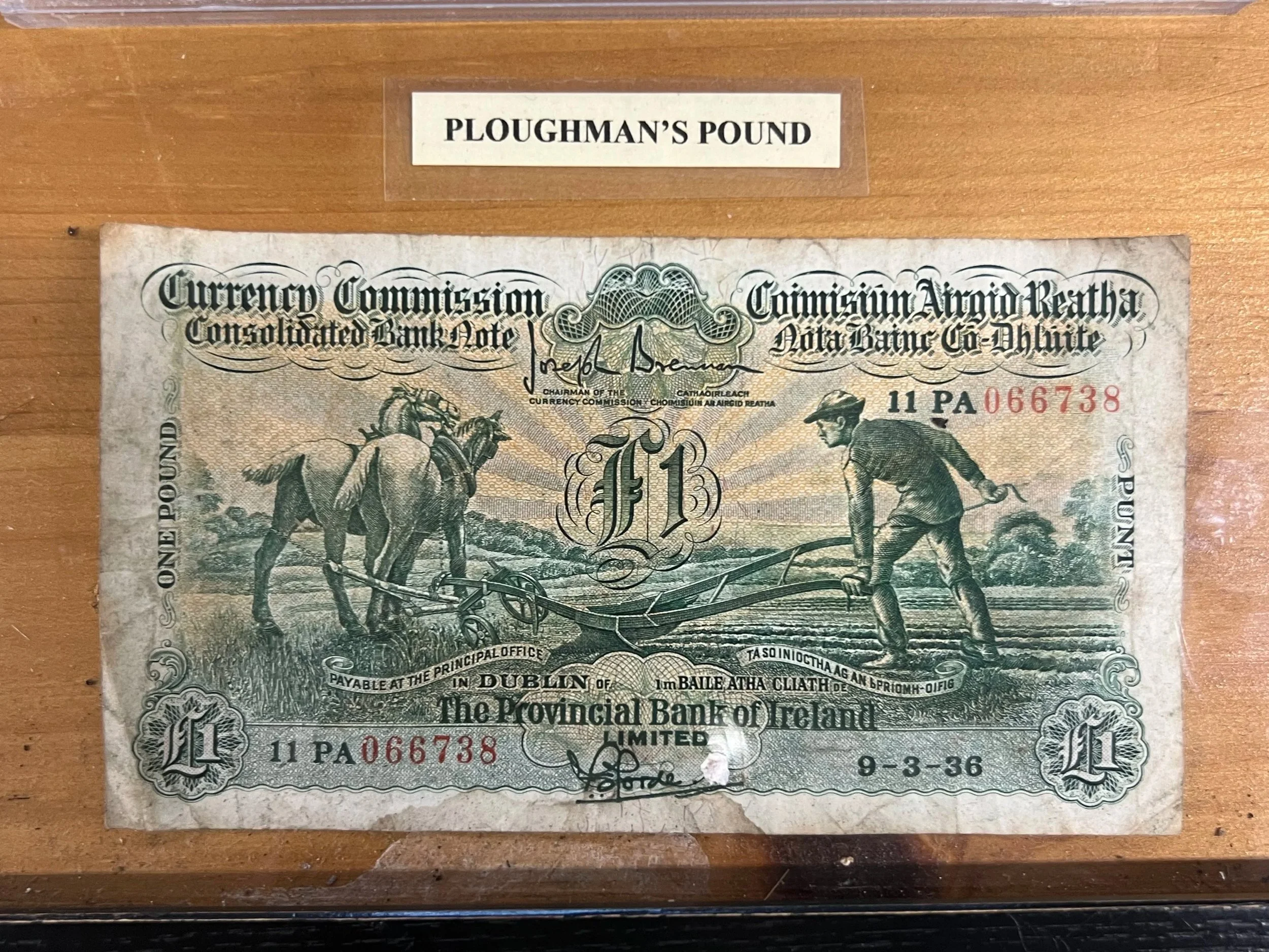
The collection includes but is absolutely not limited to; horse-drawn implements, restored ploughs, a Ferguson TVO vintage tractor, tradesmen’s tools and old-style sheep shears, dairy items like butter churns, quern stones, griddles, kettles and rare old washing machines, school desks, inkwells, slates, chalk, fountain pens, and leather school satchels, radios, wax cylinders, advertising ephemera from the 20s, 30s 40s…gramophones, and a large collection of 78rpm records, collections of 1930s original grocery packages, shop dockets, bill-heads, darkroom equipment, camera enlargers, and black-and-white/colour processors as well as historic memorabilia, including items from Croke Park.
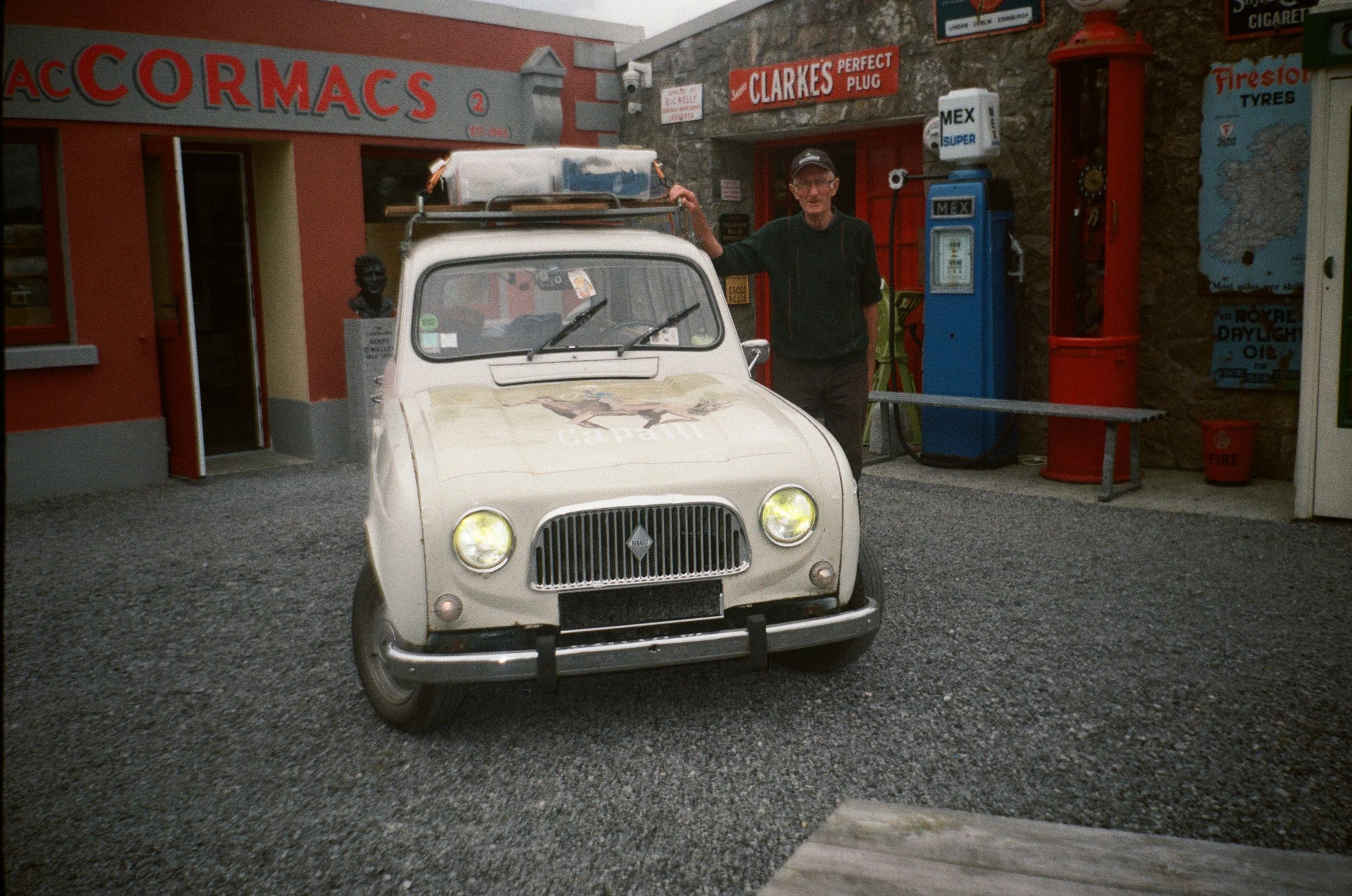
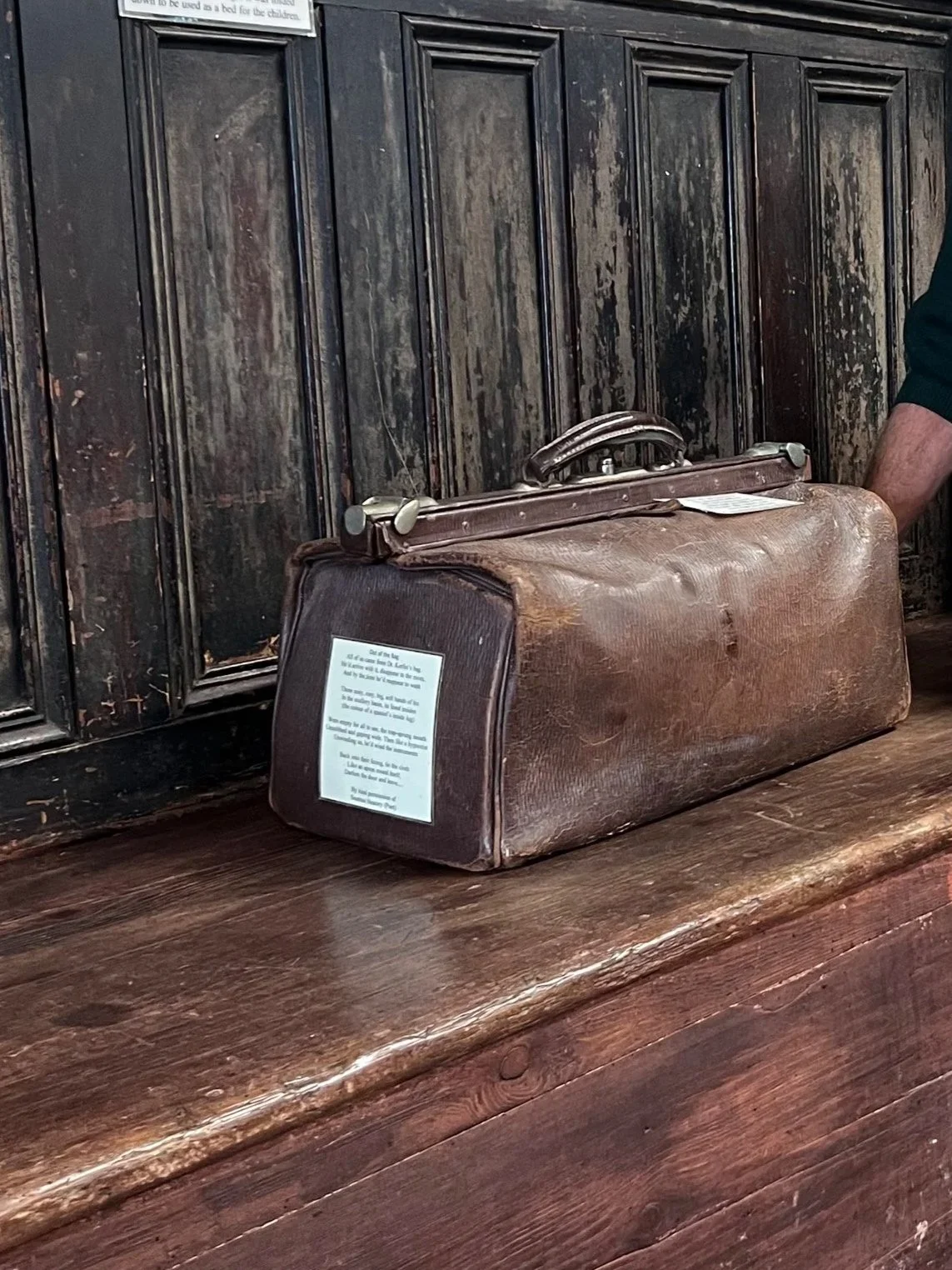
Charlie asked us about our tour, curious about the story behind the Renault 4. He said he always loved to meet others who were interested in the stories of old, seemingly obsolete objects. He very kindly agreed to do an interview at short notice. And as the interview and guided tour drew to a close, he mentioned to us that he had an item that might be of particular interest to us - that we might like to hear a story about it. We nodded and Charlie sat down and held up a bag for us to see…’A man, a stranger came in here once’, said Charlie and asked me…
‘Did you ever hear of a Dr. McManus up in the village?’
No I said. I heard my mother talking about him. But I didn't know him.
Well, said the stranger, ‘I'm his son and now I'm a doctor too, up in Dublin - would you like something from my father's time down here as the doctor of Derryglad?’
Jesus, I said I would.
Well, my mother is still alive, he said. She's in her 90s up in Dublin, and she still has my father, Dr. McManus senior’s maternity bag from this area’.
And soon after that conversation, he made good on the promise and brought it down and gave it to me. Sometimes he'd ring me up or he'd call in here, when he'd be down visiting his cousins and that. So one day he phoned me up and he said, ‘Have you seen my father's maternity bag down there?’ And I said, I have, yeah. It’s here in the museum.
I said, Why?.
Well, he said, uh, ‘I'll tell you a story now. I was at a function the other night in Dublin-and this man, a poet came up to me and he said, 'Are you Dr. McManus?' And I said, I am. And he said, ‘Was your father a doctor before you?’ And I said, ‘Oh, he was. Oh, for sure’.
He said, ‘Would there be any chance of you having his Gladstone bag?’
And he answers the poet, he says, ‘Well, I have and I haven't’.
And the poet says, ‘You have and you haven’t?’
Well, he said, ‘It's in a museum down in Roscommon’.
Charlie turned the bag over and showed it to us, passing it for us to hold, then he continued with his story, ‘This gentleman, who approached Dr. McManus’ son was wanting to see a Gladstone bag. That’s what he wanted to have a look at, not any old maternity bag, but a Gladstone bag. He couldn't get one anywhere. He came to have a look at this very one.
Didn’t he write a poem about it.
He came back again to read the poem to us and then he left it here with the bag.
The poet was Seamus Heaney….
You see, back when we were young, when the doctor came to deliver the baby in the house, the children would be ushered outside and the doctor would go up into the room to the woman, and the children would be coming in and listening to hear a squeal or a roar. And they'd say, ‘Where'd the baby come from?’ ‘Oh, the doctor's bag’…You wouldn't tell them really, do you know…
All of us came in Doctor Kerlin's bag.
He'd arrive with it, disappear to the room
And by the time he'd reappear to wash
Those nosy, rosy, big, soft hands of his
In the scullery basin, its lined insides
(The colour of a spaniel's inside lug)
Were empty for all to see, the trap-sprung mouth
Unsnibbed and gaping wide. Then like a hypnotist
Unwinding us, he'd wind the instruments
Back into their lining, tie the cloth
Like an apron round itself,
Darken the door and leave
With the bag in his hand, a plump ark by the keel ...
Extract from Out of the Bag by Seamus Heaney