03.08.2025
After CKD*Completely Knocked Down; a collaborative performance, the iconic Quatrelle remained in-situ, parked outside The Dock on a raised stone platform where it became a temporary public artwork of sorts, catching the eye of passers-by. At one point, a man arrived with his own vintage vehicle, his old A-to-B-hog; the Gapper as it’s affectionately known in Dublin for slipping through traffic…the Nifty Fifty or the Chicken Chaser if you use it on your farm.
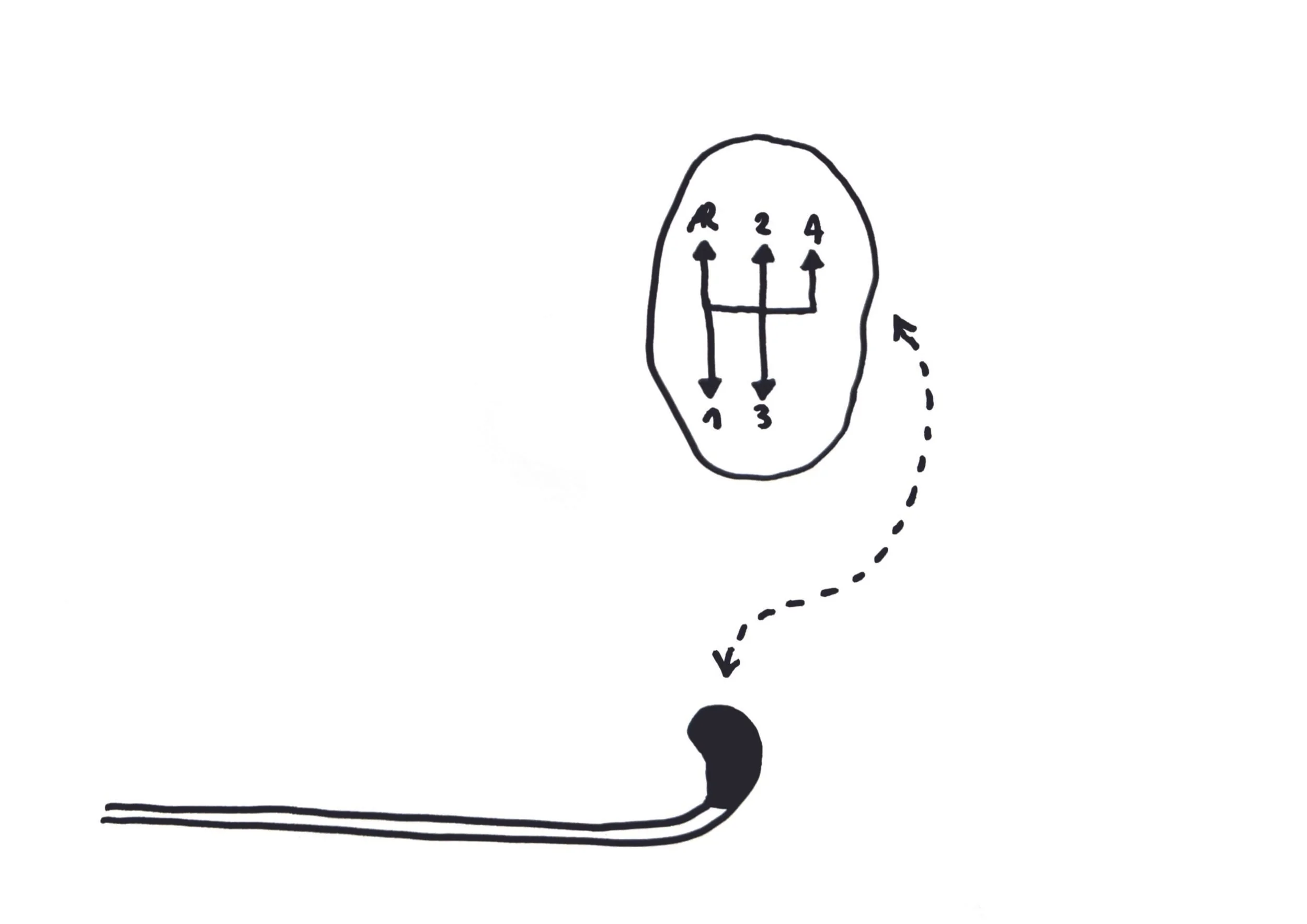
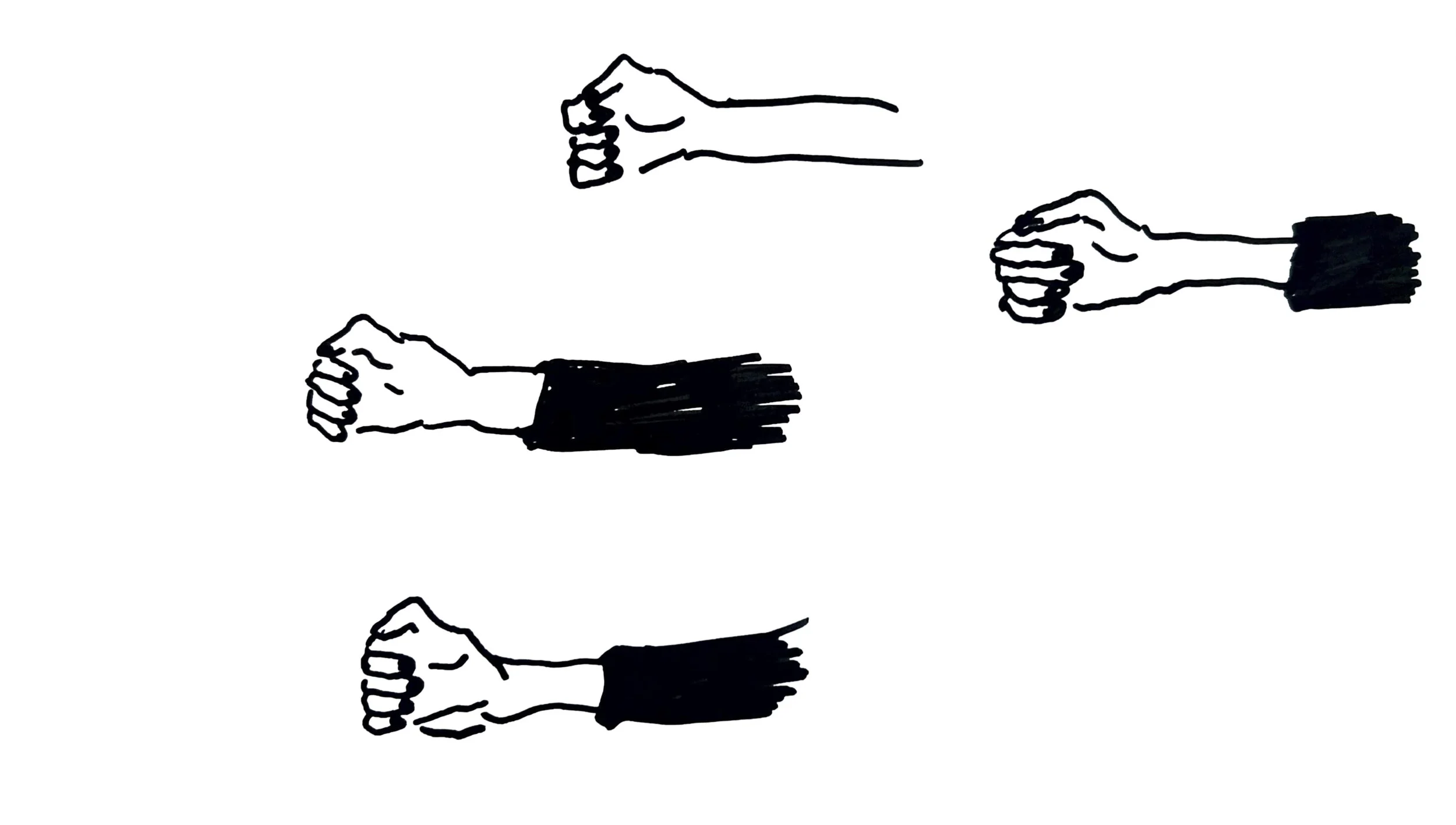
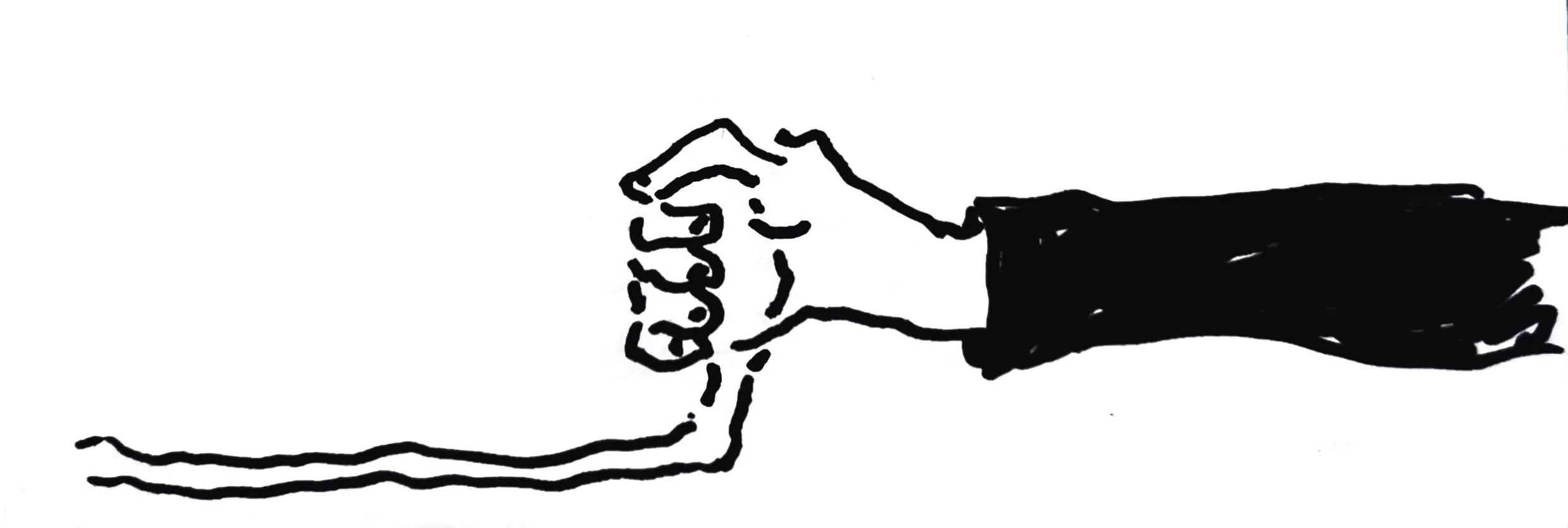
At the heart of all this, the Renault 4 is a conversation starter, an ice-breaker and wherever it’s parked, people come to share stories. Carrying boxes full of objects from our CKD* performance the previous day, we approached the car and the gent on the Honda 50 turned and nodded, we nodded back. Then his left hand enclosed around a small imaginary orb which he drew towards him. We were far enough away for me to subtly ask Liliane; what does that mean, what’s he doing? Ah, Liliane answered; it’s code for the 4L, the Quatrelle, The Renault 4. You know? Because the gear stick is up here; Liliane balanced the box she was carrying across raised knee momentarily, and drew the orb towards her, albeit with the right hand. The gent smiled at the response and we got to chatting. It wasn’t his first car mind you, but he certainly had fond memories he said, ‘of all of us squeezing in for a lift to the local dance’. He had one of his own in the 80s he said, they’re a great car, they just keep going until the rust gets them. And what became of it we asked him. I drove it to the ground, he said. Some children arrived and encircled the 4L, cupping their hands around their eyes to peer in the windows. ‘Is that ok?’, mouthed the parent/guardian as she gestured at the their touching the windows. Yea sure no problem.
The Quatrelle being parked up outside the historical courthouse building, a formal looking structure in the neoclassical style, seemed to bestow upon it a sense of importance - as though on a plinth. The tone of the architecture lending a more established feel to the juxtaposition. Masonry work with ashlar, like the walls of a museum backdrop with clean, sharp horizontal lines. Architecture of the kind you might see at the Parthenon in Athens or the Colosseum in Rome. It’s perhaps what we are familiar with when we engage with art; the legacy of classical tenets. At the Dock the car simultaneously featured a platform, and was on a platform and this gave it an aura of importance where it more fluently announced itself as an artwork, compared to its inclusion at the Mountbellew Vintage Car Show, where it had announced itself as an artefact of Irish motor heritage.
After we’d finished packing the car we hit the road towards Sligo, passing through Manorhamilton where we crossed paths with sculptor, Jackie McKenna. A chat sparked up about what it means for a work of art to exist in the public realm. This led to a conversation about interpretations and associations in the afterlife of a public artwork. My favourite public artwork of all time in Ireland incidentally, is Jackie McKenna’s bronze sculpture Meeting Place (1988) otherwise known as the Hags with the Bags unveiled as part of Dublin's Millennium celebrations, marking the auspicious year of 988 AD. The statue is situated at Lower Liffey Street, just there when you cross the Ha'penny Bridge over to the Northside. I have fond childhood memories of the sculpture, crossing town with my mam – heading towards Hickeys, where she’d be getting fabric and threads to make our clothes, or her own. We’d rest there, and I relished fitting perfectly into the groove of the grocery bag.
People project on these objects, and sometimes, the work is influenced by such projections. Jackie told us, after the sculpture's installation one of the bags was stolen, altering the artwork temporarily until it was replaced. More recently, someone took it upon themselves to polish the sculpture from head to toe, removing the oxidised, bluish-green patina that had built up with thirty eight years exposure to its environment. Is such an intervention good or bad, does it change the meaning of the work, is it beyond the artists intentionality. Some of these questions gave rise to further questions and led to an edifying discussion about the independent life of public artworks.